EN

how disposable nitrile gloves of know if
2026/11/12
In the meticulous world of art conservation, ultra-thin, powder-free nitrile gloves have become the tool of choice. They offer a flawless protective barrier that prevents human skin oils from damaging priceless historical artifacts, while simultaneously shielding the conservator's hands from the toxic, aggressive solvents required to clean and restore global cultural heritage.
Introduction Art conservation and restoration is a highly specialized discipline that sits at the fascinating intersection of art history, chemistry, and fine craftsmanship. Conservators are the silent guardians of human cultural heritage, tasked with stabilizing, cleaning, and repairing artifacts that span the entirety of human history—from ancient Egyptian papyrus and classical marble sculptures to Renaissance oil paintings and contemporary mixed-media installations. This work requires an almost unimaginable level of patience, precision, and an absolute commitment to the principle of "do no harm." Every interaction with an artifact carries the risk of irreversible damage. Historically, the field relied on bare hands or basic cotton gloves. However, the modern understanding of material degradation and chemical toxicity has led to a paradigm shift. Today, specialized, ultra-thin nitrile gloves are recognized as the most vital piece of personal protective equipment in a conservator’s studio, serving as an essential, invisible boundary between the creator's legacy and the restorer's intervention.
The Dual Threat: Human Biomes and Chemical Solvents
The primary challenge in art conservation is navigating a two-way street of potential damage. First, the human touch is inherently destructive to sensitive historical materials. Human skin constantly secretes a mixture of sweat, sebum (oils), squalene, and salts. When a conservator handles a polished silver chalice, a fragile piece of silk, or an unvarnished watercolor with bare hands, they leave behind these biological residues. Over time, these residues can etch metals, cause severe localized yellowing on paper, promote mold growth on textiles, and permanently alter the chemical composition of antique pigments. Historically, white cotton gloves were used to mitigate this, but cotton is highly problematic: it catches on splinters, snags on flaking paint, absorbs dirt, and actually allows sweat to wick through to the artifact.
The second threat is directed at the conservator. To remove centuries of grime, discolored varnishes, or inappropriate past restorations, conservators must utilize an arsenal of potent chemical solvents. This chemical toolkit frequently includes acetone, xylene, toluene, mineral spirits, and ammonium citrate. Prolonged dermal exposure to these solvents can cause severe contact dermatitis, neurological issues, and systemic toxicity. Standard latex gloves offer very poor resistance to these organic solvents, rapidly dissolving or becoming sticky, which completely compromises both the conservator's health and the artifact's surface.
Why Nitrile is the Conservator's Choice Nitrile gloves elegantly solve this complex dual challenge. Manufactured from a synthetic copolymer, nitrile provides a highly effective, impermeable barrier against both human biological secretions and the harsh chemical solvents used in restoration. When wiping down a bronze statue with acetone, a nitrile glove ensures that the solvent does not reach the skin, while simultaneously guaranteeing that no skin oils are transferred to the freshly cleaned, highly reactive metal surface.
Crucially for the art world, high-quality nitrile gloves are manufactured without the use of powders (like cornstarch) or sulfur-based vulcanizing agents. Powders can easily fall into the micro-cracks of an oil painting, creating a permanent, cloudy residue that ruins the aesthetic value of the piece. Sulfur, often found in natural rubber latex, will rapidly tarnish silver and can cause chemical reactions with lead-based paints commonly found in historical artworks. Powder-free, sulfur-free nitrile ensures a chemically inert interaction with the artifact.
Case Study: Restoring a Renaissance Masterpiece
The importance of nitrile's unique properties is best illustrated during the delicate process of cleaning a Renaissance-era oil painting on canvas. Over hundreds of years, the protective varnish applied by the original artist often oxidizes, turning a murky, dark yellow that obscures the vibrant colors beneath. The conservator's task is to use custom-mixed solvent gels to selectively dissolve this micron-thin layer of old varnish without disturbing the original oil paint resting immediately below it.
For this painstaking task, the conservator will select an ultra-thin (often 3 mil), low-modulus nitrile glove. This specific type of glove is designed to mimic the feeling of a second skin. The conservator creates a tiny swab of cotton on the end of a bamboo skewer, dips it in the solvent, and gently rolls it across the surface of the painting. The extreme tactile sensitivity provided by the ultra-thin nitrile allows the conservator to physically feel the slight change in drag and friction as the varnish begins to dissolve, signaling exactly when to stop rolling to avoid damaging the paint. The glove protects them from the solvent fumes and liquid, while the micro-textured fingertips of the glove allow for the precise handling of scalpels, tweezers, and fine brushes.
Material Purity and Long-Term Ergonomics
The demands of a conservation studio require long hours of intense concentration and minimal movement. The ergonomic properties of nitrile are highly beneficial in this regard. Unlike latex, which maintains a constant tension that can cause hand fatigue over hours of work, low-modulus nitrile relaxes and conforms to the exact shape of the wearer's hand as it warms to body temperature. This significantly reduces muscle strain during marathon cleaning sessions.
Furthermore, many conservation institutions are now demanding "accelerator-free" nitrile gloves. Chemical accelerators used in traditional glove manufacturing can occasionally cause delayed Type IV hypersensitivity (allergic contact dermatitis) in users who wear gloves every day. Accelerator-free nitrile provides the ultimate clean, safe environment for both the user and the artifact.
Conclusion In the quiet, deliberate atmosphere of a conservation laboratory, the tools of the trade must be as refined as the art they are meant to save. Nitrile gloves have fundamentally transformed how conservators interact with historical objects. By providing a chemically resistant, biologically inert, and highly tactile barrier, nitrile gloves allow experts to safely deploy modern chemistry to uncover and preserve the past. They are not merely an administrative safety requirement; they are a critical precision instrument that ensures the world's cultural treasures endure for future generations to study and admire.
2026/11/12
2026/11/11
2026/11/10

2026/11/09
2026/11/08
2026/11/07

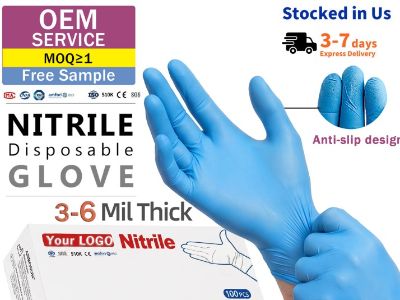
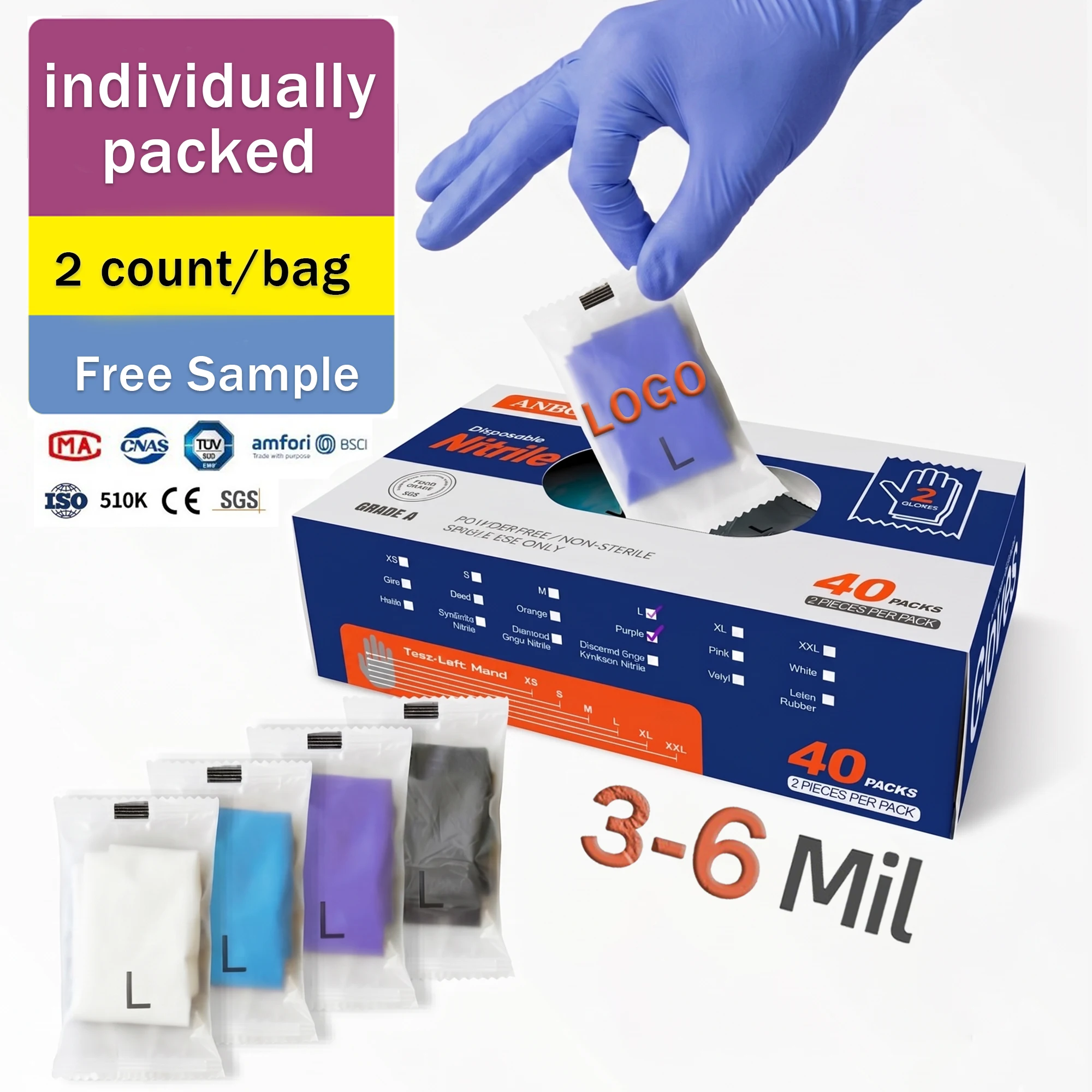
From your logo to your spec, we turn your brand vision into certified reality. Our automated clean-room factory delivers fully customized OEM/ODM nitrile gloves with complete compliance support — FDA 510K, CE, ISO 13485, SGS and more. Low MOQ, free samples, 100% QC on every batch, and responsive after-sales — partner with us for worry-free, certified supply.