EN

how disposable nitrile gloves of know if
2026/11/12
Food gloves are essential in maintaining hygiene and safety standards across various sectors, particularly the food industry. The keyword "how food gloves keep" highlights their role in protecting both food products and workers from contamination. As a purchasing manager, distributor, or product manager, understanding the performance, material advantages, and quality food gloves standards of food gloves can greatly impact your purchasing decisions. This article will provide insights into the critical factors that ensure you select the right food gloves for your specific needs.
Quality standards play a pivotal role in food glove manufacturing, ensuring that the gloves meet both safety and performance requirements. Key certifications such as ISO and CE indicate that the gloves have undergone rigorous testing and adhere to international safety standards. For example, ISO certification ensures that the manufacturing processes are consistent and reliable, while CE marking confirms that the gloves are compliant with European Union health, safety, and environmental protection standards. When evaluating food nitrile gloves powder free, consider the type of certification that suits your operational needs and the regulatory requirements of your target market. A manufacturer with 20 years of experience, like Anboson Technology, often has a robust quality control process in place, ensuring that each batch of gloves meets established standards. Buyers should inquire about the specific certifications held by the gloves they are considering, as well as the food gloves manufacturer's quality assurance protocols.
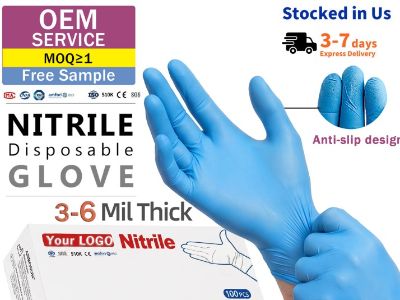
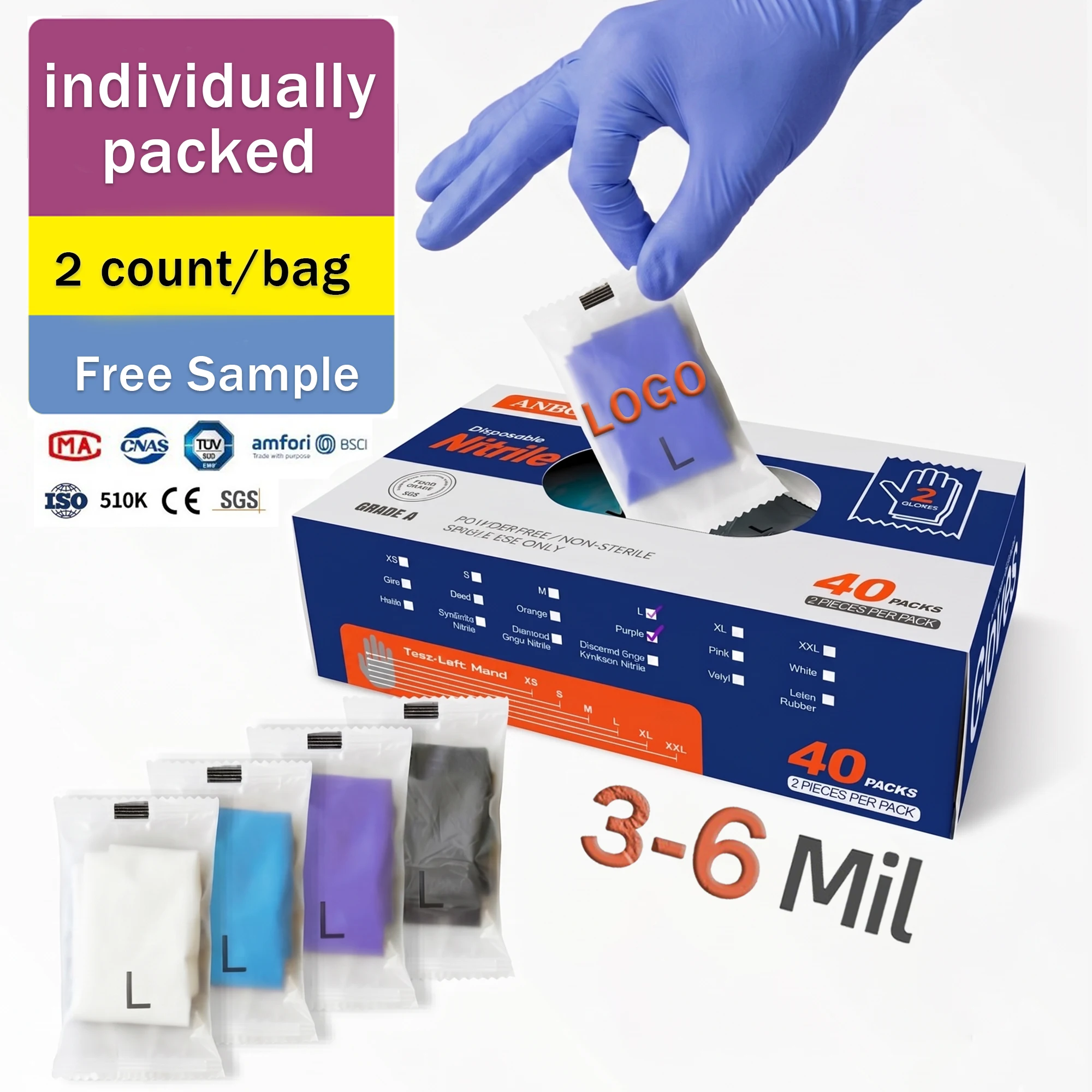
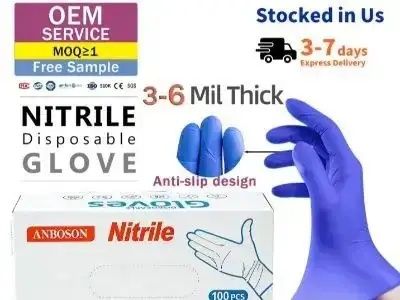
The choice of material significantly affects the performance and suitability of food gloves. Nitrile gloves, for instance, are known for their high tensile strength and resistance to oils and aging, making them ideal for food processing applications. Unlike latex gloves, nitrile gloves do not pose a risk of allergic reactions, which is crucial in environments where multiple employees may be handling food. Another aspect to consider is chlorination technology, which enhances the glove's surface for improved grip and makes it easier to don and doff. For food gloves food applications, the barrier properties of nitrile gloves ensure that they protect against various contaminants, thus maintaining the integrity of food products. Buyers should assess material specifications, such as thickness and elasticity, to ensure they meet the specific demands of their applications, as these factors directly influence the gloves’ durability and comfort.
Selecting the right type of food gloves involves understanding the specific requirements of your application. For example, if your operation involves handling raw meats or greasy foods, opting for thicker nitrile gloves can provide the necessary protection and durability. Conversely, if the task requires dexterity, thinner gloves may be more suitable. Buyers should also consider whether they need disposable or reusable gloves. Disposable gloves are often favored for their convenience and reduced risk of cross-contamination, while reusable powder free disposable gloves may offer more cost-effectiveness in high-volume settings. When discussing options with suppliers, providing information on your application, such as the types of food handled and the expected duration of use, will facilitate better recommendations.
Despite their advantages, food gloves can present certain challenges that buyers should be aware of. Common issues include tearing during use, limited dexterity, and discomfort due to poor fit. These problems can lead to increased risks of contamination and decreased efficiency in food handling processes.
To mitigate these challenges, it’s essential to select free nitrile gloves that match the specific requirements of your tasks. For example, if tearing is a concern, look for gloves with enhanced durability features or higher thickness. Sizing is also crucial; poorly fitting gloves can restrict movement and lead to fatigue. When ordering, suppliers can assist in determining the food gloves correct sizes based on hand measurements. Additionally, buyers should request samples to evaluate the glove’s performance in real-world conditions before placing larger orders. This ensures that any issues can be identified and addressed early in the purchasing process.
Food gloves are utilized in various sectors of the food industry, each with unique requirements. In food processing plants, for instance, nitrile gloves are often the preferred choice due to their chemical resistance and durability, which are vital when handling various food products. In restaurants and catering services, disposable gloves are commonly used to ensure hygiene during food preparation and service. Moreover, in sectors such as bakeries and, gloves that provide a balance between dexterity and protection are essential. The choice of gloves can impact not only worker safety but also food quality and consumer satisfaction. By understanding the food gloves specific applications of food gloves in your industry, you can make more informed decisions that enhance operational efficiency and compliance with health standards. In summary, food gloves serve as a critical line of defense in protecting both food products and workers. By understanding the quality standards, material advantages, and specific applications of food gloves, you can better navigate purchasing decisions, ensuring that you select products that meet your operational needs effectively.
2026/11/12
2026/11/11
2026/11/10
2026/11/09
2026/11/07

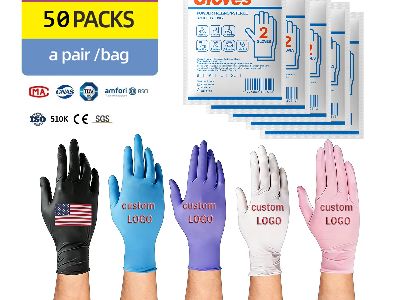
From your logo to your spec, we turn your brand vision into certified reality. Our automated clean-room factory delivers fully customized OEM/ODM nitrile gloves with complete compliance support — FDA 510K, CE, ISO 13485, SGS and more. Low MOQ, free samples, 100% QC on every batch, and responsive after-sales — partner with us for worry-free, certified supply.