EN

how disposable nitrile gloves of know if
2026/11/12
In the high-stakes environment of biomedical research and diagnostic testing, nitrile gloves serve as the primary line of defense. Their exceptional resistance to viral penetration, chemical resilience, and powder-free purity ensure that laboratory personnel are protected from dangerous pathogens while simultaneously preventing the cross-contamination of sensitive scientific samples.
Introduction Modern biomedical and diagnostic laboratories operate at the very edge of human knowledge and public health defense. These highly controlled facilities are where groundbreaking genetic therapies are engineered, where novel vaccines are formulated, and where patient samples are tested for infectious diseases ranging from influenza to highly pathogenic viruses. Within these walls, the concept of "containment" is the guiding principle of all operations. Scientists must navigate an invisible battlefield of microscopic threats and potent chemical reagents on a daily basis. The primary interface between the scientist and these hazardous materials is their hands. Consequently, the choice of hand protection is not a trivial administrative decision, but a critical component of laboratory biosafety protocols. In recent years, premium-grade nitrile gloves have universally replaced latex as the essential barrier in these environments, offering a unique combination of strength, chemical resistance, and biological security that drives modern scientific discovery forward safely.
Navigating the BSL Landscape and Chemical Risks
Biomedical facilities are categorized by Biosafety Levels (BSL), ranging from BSL-1 (low risk) to BSL-4 (highest risk, life-threatening pathogens). At every level, the risks are multifaceted. In a clinical diagnostic lab (typically BSL-2), technicians process thousands of blood, serum, and tissue samples daily, constantly facing the threat of bloodborne pathogens like HIV, Hepatitis B, and Hepatitis C. In advanced research facilities (BSL-3 and above), scientists manipulate aerosol-transmissible viruses and engineered bacteria.
Beyond the biological threats, laboratories are heavily reliant on highly toxic and corrosive chemicals. DNA and RNA extraction protocols frequently utilize hazardous reagents such as phenol, chloroform, and severe chaotropic salts. Routine sterilization and decontamination procedures involve concentrated bleach solutions, hydrogen peroxide, and various alcohols. An accidental splash or an unrecognized pinhole leak in a substandard glove can result in immediate chemical burns, systemic toxicity, or the silent, deadly acquisition of an infectious disease. Furthermore, the integrity of the experiment itself is at risk; human skin continuously sheds microscopic flakes containing RNase and DNase enzymes that can completely destroy sensitive genomic samples if not properly contained.
The Nitrile Advantage in Biosafety and Contamination Control
Specialized laboratory-grade nitrile gloves offer a comprehensive solution to these compounding challenges. From a biological standpoint, the synthetic polymer matrix of nitrile is incredibly dense and uniform. When subjected to rigorous viral penetration tests, high-quality nitrile gloves provide a scientifically proven, impermeable barrier against bacteriophages and human viruses, vastly outperforming vinyl alternatives.
Chemically, nitrile's resilience is unmatched in the disposable glove category. It offers excellent splash protection against a broad spectrum of laboratory acids, bases, and organic solvents. This chemical stability ensures that the glove does not degrade, swell, or become porous mid-experiment, thereby maintaining its structural integrity and protective qualities.
Equally important is the issue of contamination control. Historically, powdered latex gloves were used to make donning easier. However, the cornstarch powder acted as a vehicle for aerosolized latex allergens and, critically, inhibited Polymerase Chain Reaction (PCR) assays—the very foundation of modern molecular biology. Today's nitrile gloves are manufactured using advanced chlorination or polymer coating processes, rendering them completely powder-free. This ensures that no particulate matter interferes with sensitive diagnostic equipment, mass spectrometers, or cell cultures, thereby preserving the absolute purity of the experimental data.
Case Study: Viral Vector Engineering and Double-Gloving
To illustrate the vital role of nitrile gloves, consider a scientist working in a BSL-3 laboratory engineering a viral vector for a targeted gene therapy trial. The protocol demands working inside a Class II Biological Safety Cabinet (BSC). The scientist utilizes a strict "double-gloving" technique—a standard operating procedure in high-containment labs. They first don a brightly colored (e.g., bright green or orange) inner nitrile glove, followed by a dark blue or purple outer nitrile glove.
This multi-layer system provides an incredibly robust physical and biological barrier. If the outer glove is accidentally nicked by a pipette tip or a microtome blade, the bright inner glove immediately becomes visible, providing an instant visual alert that containment has been breached, allowing the scientist to immediately stop, decontaminate, and change gloves. Despite wearing two layers of material, the specific formulation of low-modulus nitrile allows the gloves to stretch and conform perfectly to the hands. This preserves the extreme tactile sensitivity and fine motor control required to successfully aspirate exactly 5 microliters of a crucial reagent using a micropipette, or to manipulate fragile cell culture flasks without dropping them.
Testing Standards, Ergonomics, and the Future
The deployment of nitrile gloves in these environments is strictly governed by international testing standards. Laboratory managers rely on certifications such as ASTM F1671 (Standard Test Method for Resistance of Materials Used in Protective Clothing to Penetration by Blood-Borne Pathogens Using Phi-X174 Bacteriophage Penetration) and EN 374-5 to ensure the gloves meet the necessary biosafety thresholds.
Furthermore, the ergonomic benefits cannot be overstated. Laboratory technicians often perform highly repetitive motions (like pipetting) for hours on end. The thermo-responsive nature of high-quality nitrile means the glove softens and conforms to the shape of the hand as it warms up, significantly reducing hand fatigue and the risk of repetitive strain injuries. As laboratory automation and personalized medicine continue to evolve, the demands placed on scientific personnel will only increase. Nitrile gloves will remain the foundational, non-negotiable layer of armor, allowing scientists to push the boundaries of medical research while remaining safely isolated from the very threats they seek to conquer.
2026/11/12
2026/11/11
2026/11/10
2026/11/09
2026/11/08
2026/11/07
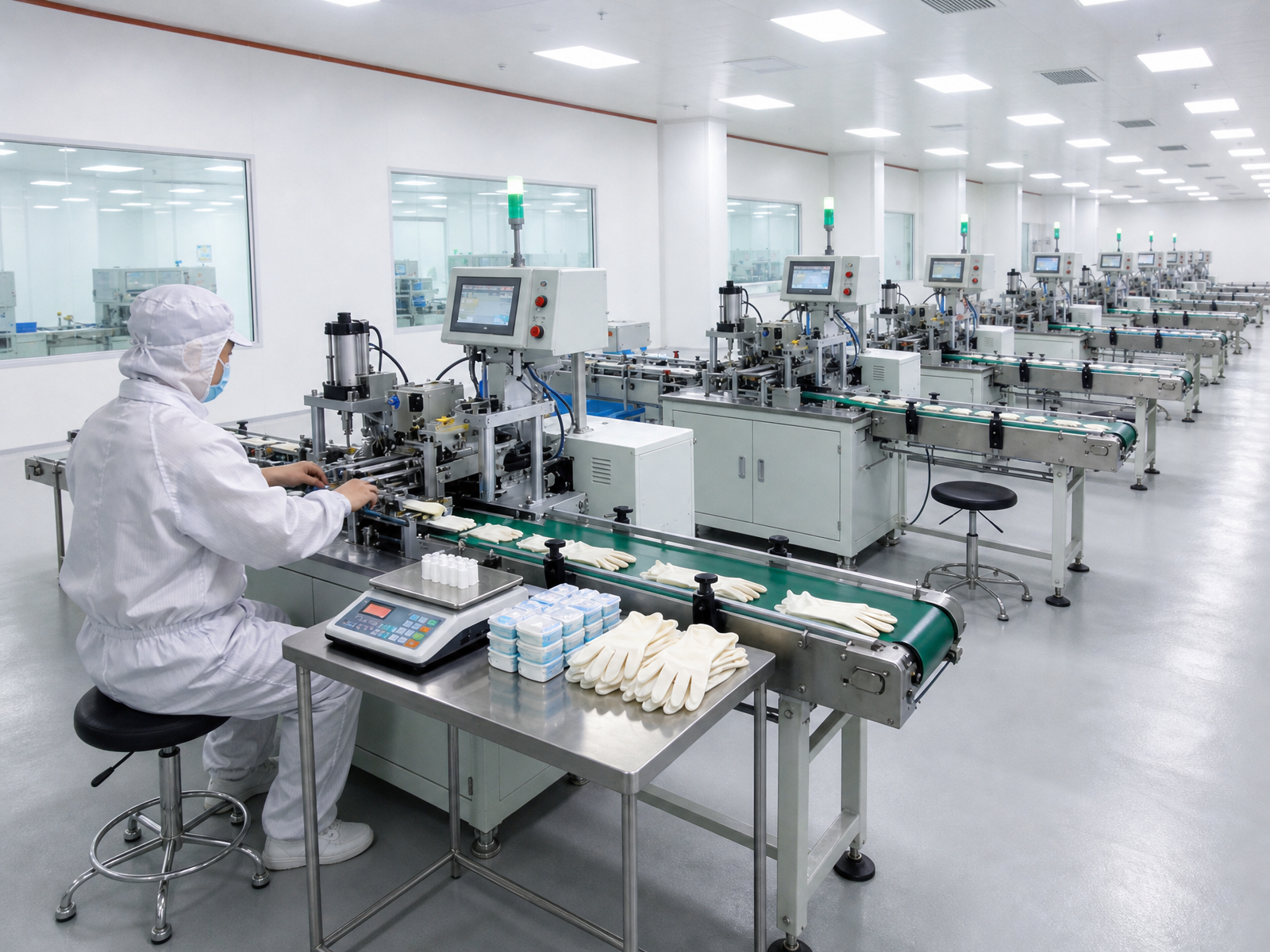
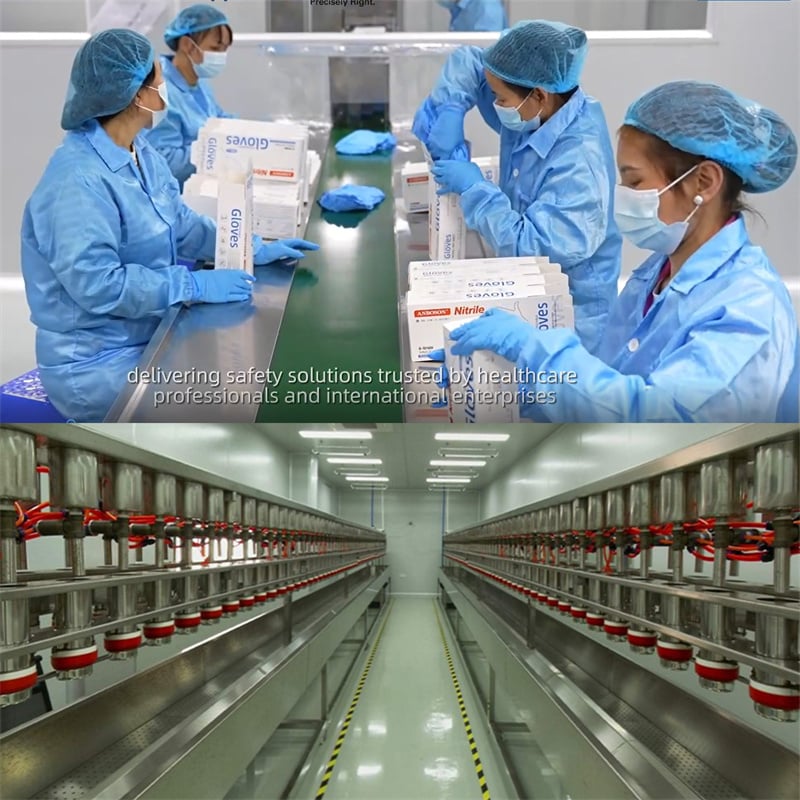
From your logo to your spec, we turn your brand vision into certified reality. Our automated clean-room factory delivers fully customized OEM/ODM nitrile gloves with complete compliance support — FDA 510K, CE, ISO 13485, SGS and more. Low MOQ, free samples, 100% QC on every batch, and responsive after-sales — partner with us for worry-free, certified supply.