EN

how disposable nitrile gloves of know if
2026/11/12
Black nitrile gloves are essential in various industries, offering protection and comfort during tasks that require dexterity and durability. As a B2B buyer, selecting the right type of black nitrile gloves for work involves understanding the specific needs of your operations, including considerations of quality, suitability, and cost. This article will cover important factors to help you make informed decisions about which black nitrile gloves to purchase for your organization.
When searching for suppliers of black nitrile powder free gloves, it's vital to consider manufacturers with a strong track record in quality and reliability. Anboson Technology, for instance, has over 20 years of experience in manufacturing nitrile gloves. Their advanced chlorination technology enhances the gloves' tensile strength and resistance to oil and aging, making them suitable for various applications.
To source quality gloves, start by identifying manufacturers that offer ISO and CE certifications, which indicate adherence to international standards. Engage in discussions with potential suppliers about their production capabilities, such as the number of production lines and annual output, as these factors can impact lead times and pricing. For example, Anboson Technology operates six production lines with an annual output of 4.8 billion gloves, which allows them to handle large orders efficiently.
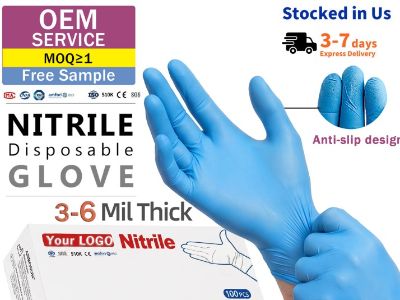
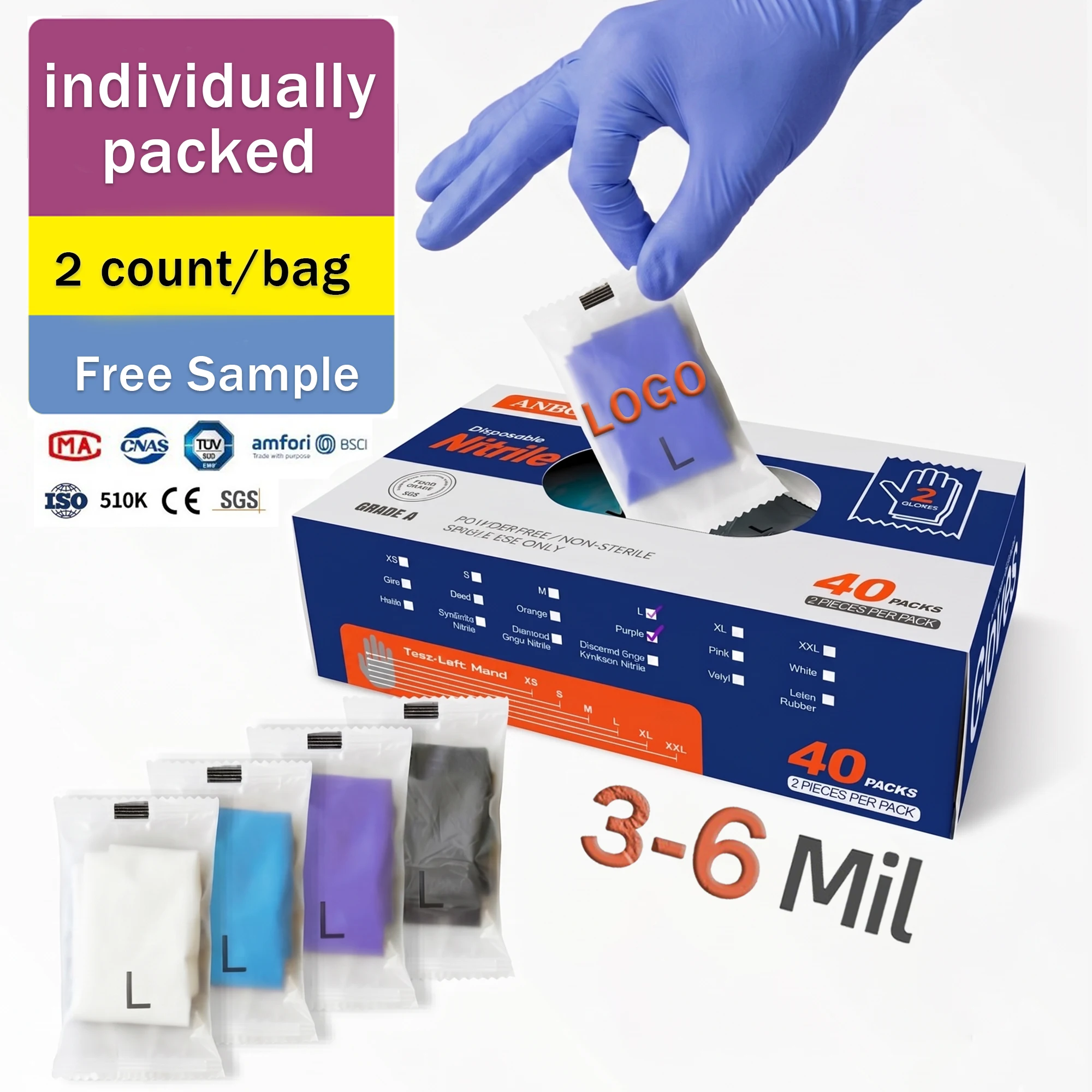
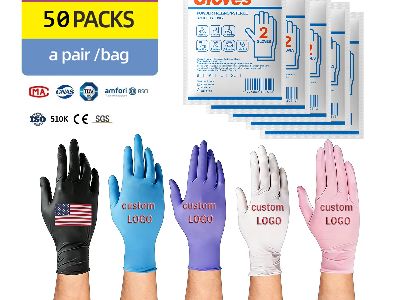
Additionally, consider suppliers that offer OEM/ODM services, allowing for customization in design and packaging to meet your specific requirements. It’s also a good practice to request samples before placing bulk orders to assess the glove's comfort and performance in real-world conditions.
The cost of black nitrile gloves can vary significantly based on several factors. Key considerations include material quality, manufacturing processes, order quantity, and customization options. For instance, gloves made with advanced chlorination technology may have a higher upfront cost due to the enhanced durability and performance features they provide.
When placing bulk orders, remember that larger quantities often lead to lower per-unit pricing. However, be mindful of your actual needs to avoid over-ordering, which can tie up your capital. Always discuss minimum order quantities (MOQ) with potential suppliers to ensure they align with your purchasing plans.
Another important factor is the packaging method. Customized packaging may incur additional costs but can enhance brand visibility and user experience. Understanding these cost factors will help you budget effectively and negotiate better terms with suppliers.
While nitrile gloves are popular for their durability and versatility, they are not without issues. Common problems include sizing inconsistencies, allergic reactions, and decreased tactile sensitivity. Sizing issues can often be remedied by ensuring that the manufacturer provides a range of sizes and clear sizing charts, enabling users to select appropriate fits.
Allergic reactions, although rare with nitrile gloves, can occur. Thus, it is advisable to verify that the gloves are latex-free and suitable for sensitive skin. In cases where users experience discomfort, providing alternative options or samples for testing can lead to better user satisfaction.
Decreased tactile sensitivity can limit dexterity in certain applications. To mitigate this, consider gloves with features such as textured fingertips or varying thicknesses. High-quality manufacturers like Anboson Technology can provide gloves engineered for optimal sensitivity without compromising protection.
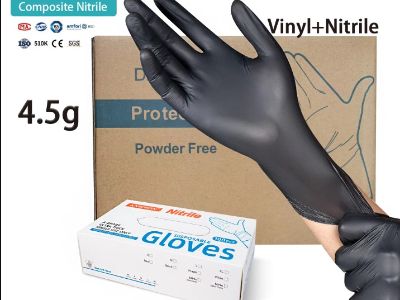
Black nitrile gloves are widely used across multiple sectors due to their versatility. In the medical field, they provide essential protection against pathogens while ensuring a high level of tactile sensitivity. In industrial settings, such as automotive or manufacturing, these gloves protect against oils, solvents, and sharp objects.
In food service, black nitrile gloves help maintain hygiene standards while offering a professional appearance. Their resistance to punctures and tears makes them suitable for cleaning and maintenance tasks in various environments.
Understanding the specific applications of these gloves can help you select the right product for your needs. Be sure to discuss your intended use with suppliers to ensure you choose gloves that meet the necessary performance standards for your industry.
When evaluating black nitrile gloves, certain technical specifications can significantly impact their performance. Key factors include thickness, material composition, and resistance properties. For instance, gloves that are too thin may provide insufficient protection, while overly thick gloves can hinder dexterity.
The thickness of nitrile gloves typically ranges from 3 to 8 mils. Thicker gloves generally offer better protection but may reduce tactile feedback, which is crucial in precision tasks. Assess your operational needs to determine the appropriate thickness.
Another key specification is the gloves' resistance to chemicals, punctures, and abrasions. High-quality nitrile gloves, like those manufactured by Anboson Technology, are designed to withstand exposure to various substances, enhancing their usability across different applications. Always check the technical data sheets for specific resistance ratings and ensure they align with your usage requirements.
By focusing on these technical specifications, you can ensure that the gloves you select will provide the necessary protection, comfort, and performance for your specific applications.
2026/11/12
2026/11/11
2026/11/10
2026/11/09
2026/11/08
2026/11/07

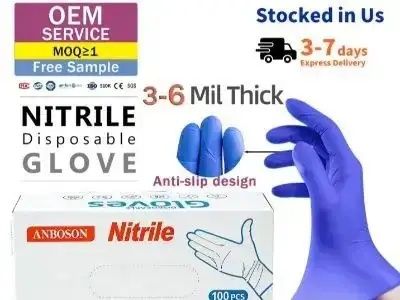
From your logo to your spec, we turn your brand vision into certified reality. Our automated clean-room factory delivers fully customized OEM/ODM nitrile gloves with complete compliance support — FDA 510K, CE, ISO 13485, SGS and more. Low MOQ, free samples, 100% QC on every batch, and responsive after-sales — partner with us for worry-free, certified supply.