EN

how disposable nitrile gloves of know if
2026/11/12
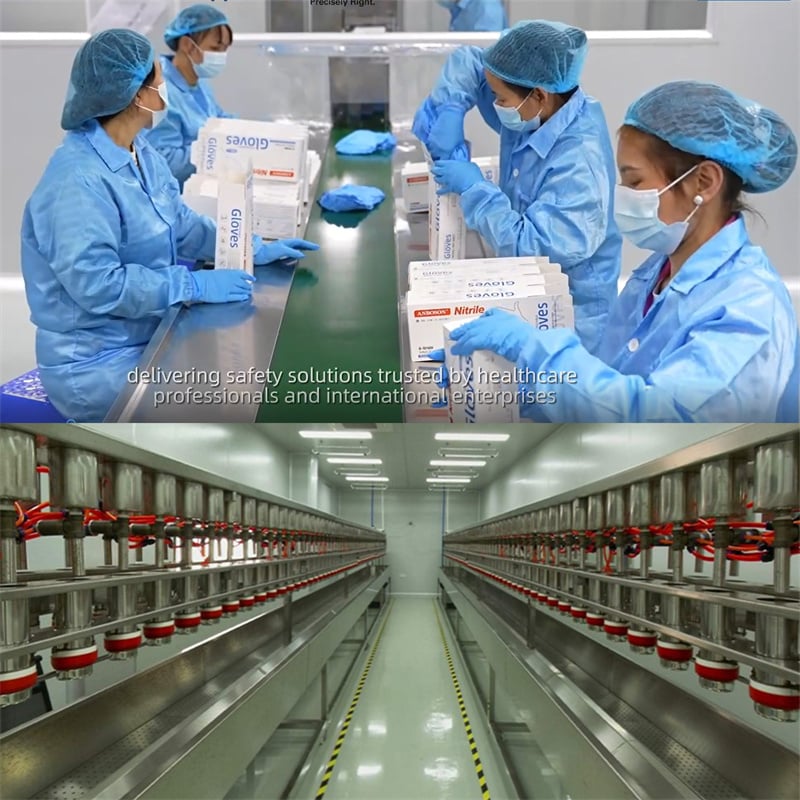
Nitrile gloves are increasingly recognized for their suitability in food handling and processing applications, but what makes nitrile gloves food safe? As a professional disposable nitrile gloves large manufacturer with over 20 years of experience, Anboson Technology understands the critical factors that buyers must consider when selecting gloves for food-related tasks. This article addresses key concerns for B2B buyers, including material properties, specifications, quality control, and practical applications, helping you make informed purchasing decisions.
Nitrile gloves are deemed food safe primarily due to their chemical resistance, durability, and the absence of latex proteins, which can trigger allergic reactions. The advanced chlorination technology used in the manufacturing process enhances these properties by creating a smoother surface that reduces friction and improves dexterity. This is particularly crucial in food handling, where precision is often necessary.
Moreover, food safe nitrile gloves are typically produced under strict hygiene conditions and are subject to various safety regulations. They should be compliant with the FDA's food contact regulations, ensuring that they do not leach harmful substances into food products. When selecting nitrile gloves for food use, it is essential to ensure that they carry appropriate certifications, such as ISO and CE, which can provide additional assurance of their safety and quality.
When selecting nitrile gloves for food handling, several specifications should be evaluated:
Thickness: The thickness of the gloves, usually measured in mils, affects both protection and dexterity. Thicker gloves provide better puncture resistance, while thinner gloves offer improved tactile sensitivity. A balance should be struck based on the specific application.
Length: Gloves should extend beyond the wrist to provide adequate coverage and minimize the risk of contamination. Longer gloves can also help protect the forearms during food preparation.
Texture: The texture can affect grip and handling. Textured gloves provide better grip when handling wet or oily items, reducing the risk of slipping.
Size and Fit: Proper sizing is critical to ensure comfort and dexterity. Gloves that are too tight can lead to hand fatigue, while loose gloves may increase the risk of spills and contamination.
Chemical Resistance: Depending on the food items being handled, gloves may need to resist various chemicals and oils. Understanding the specific requirements for the intended application is crucial for selecting the right product.
Sourcing food safe nitrile gloves in bulk requires careful planning and consideration. Here are some tips:
Understand Your Needs: Before placing an order, determine the volume of gloves required, the specific applications they will be used for, and any customization needs. This helps in negotiating prices and understanding lead times.
Request Samples: Always request samples before finalizing a bulk order. Testing the samples of safeguard nitrile gloves
for comfort, fit, and performance under real-world conditions can prevent costly mistakes later.
Evaluate Suppliers: Look for manufacturers with a solid reputation, verified certifications, and a proven track record in the food industry. Anboson Technology, for instance, has extensive experience and serves clients in 150 countries.
Discuss Packaging Options: Confirm how the gloves will be packaged and shipped. Proper packaging can affect storage and handling efficiency.
Negotiate Terms: Discuss minimum order quantities (MOQ) and payment terms upfront to avoid misunderstandings later.
Quality control is critical in the manufacturing of food safe nitrile gloves. Consistent quality ensures that gloves will perform as expected, providing adequate protection and comfort.
Raw Material Inspection: High-quality nitrile material should be sourced from reputable suppliers. Implementing rigorous testing of raw materials can prevent defects in the final product.
Production Monitoring: The manufacturing process should be closely monitored to ensure compliance with safety standards. This includes checking for proper curing times and temperature control during production.
Final Product Testing: Finished gloves should undergo thorough testing to verify that they meet relevant safety and performance standards. This can include testing for puncture resistance, tensile strength, and barrier protection.
Traceability: Maintaining records of production batches and quality tests can help in identifying and addressing any issues that arise post-production.
Nitrile gloves are versatile and suitable for a wide range of applications in food handling and processing:
Food Preparation: Chefs and kitchen staff often use nitrile gloves to maintain hygiene while preparing meals. Their chemical resistance makes them ideal for handling acidic foods and cleaning agents.
Food Packaging: Nitrile gloves are used during the packaging process to ensure that the product remains uncontaminated. Their durability allows workers to handle various packaging materials without fear of tearing.
Food Transportation: In the transportation of food items, nitrile gloves can help protect both the product and the handler from potential contamination.
Catering Services: For catering events, where food is prepared and served in various environments, disposable gloves nitrile large provide an excellent barrier to contaminants, ensuring food safety.
By understanding these applications, purchasing managers can make more informed choices about the types of gloves that will best suit their operational needs.
selecting nitrile gloves for food safety involves a careful evaluation of specifications, quality control measures, and practical applications. By focusing on these factors, B2B buyers can ensure they choose the right products to meet their operational requirements.
2026/11/12
2026/11/11
2026/11/10
2026/11/09
2026/11/08
2026/11/07
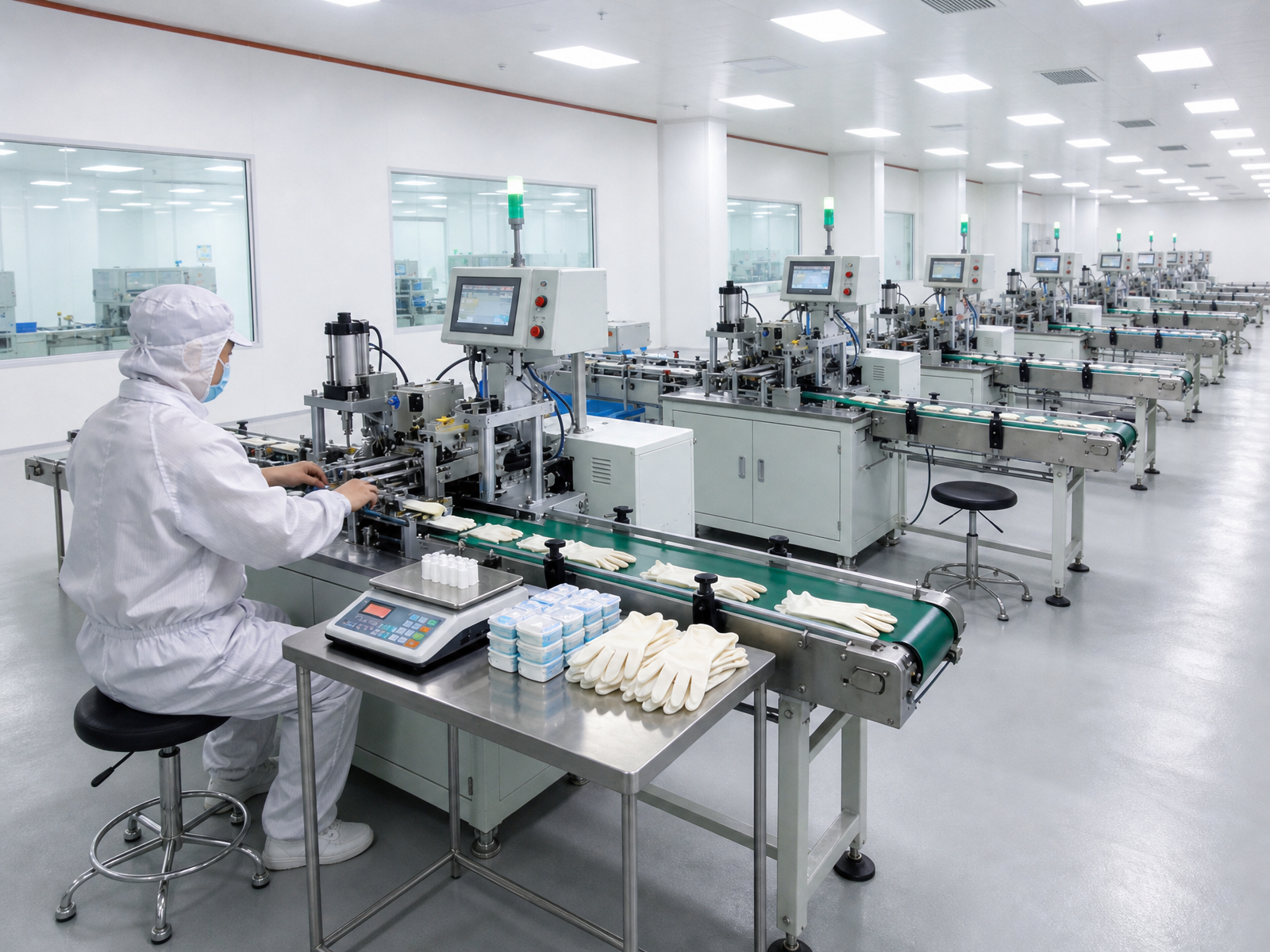
From your logo to your spec, we turn your brand vision into certified reality. Our automated clean-room factory delivers fully customized OEM/ODM nitrile gloves with complete compliance support — FDA 510K, CE, ISO 13485, SGS and more. Low MOQ, free samples, 100% QC on every batch, and responsive after-sales — partner with us for worry-free, certified supply.