EN

how disposable nitrile gloves of know if
2026/11/12
Medical gloves are essential in various healthcare settings, providing a barrier between healthcare professionals and potential contaminants. Among the types of medical gloves available, powdered medical gloves often raise questions regarding the powder used, its purpose, and its impact on usability. Understanding what the powder in medical gloves is, along with considerations for selecting and sourcing them, can aid purchasing managers and other B2B buyers in making informed decisions. This powdered medical gloves article will clarify these points, addressing key concerns such as product specifications, cost factors, common issues, and supplier evaluation.
When selecting powdered medical gloves for bulk orders, several factors must be considered. First, it's essential to identify the intended application, as different healthcare settings may require varying levels of protection and comfort. The powder used, often cornstarch or talc, can ease donning and doffing, especially in high-volume use environments. Next, assess the glove's specifications, including material (often nitrile for its durability and resistance to chemicals), thickness, and sizing. For example, a thicker glove may offer better puncture resistance but could compromise dexterity, which is critical in surgical settings. As a nitrile black medical gloves manufacturer with two decades of powdered medical gloves experience, Anboson Technology understands the balance between strength and sensitivity, which is crucial when making selections. Lastly, consider the certifications (such as ISO and CE) that the gloves hold. These certifications ensure that the gloves meet international safety and quality standards. When placing bulk orders, requesting samples for quality inspection is advisable to confirm that the gloves meet the required specifications before committing to large quantities.
Sourcing reliable suppliers of powdered medical gloves begins with conducting thorough market research. Look for manufacturers with a proven track record in the industry. Anboson Technology, for example, operates six production lines and has an annual output of 4.8 billion gloves, serving customers in over 150 countries. Such capabilities often indicate robust quality control processes and production consistency. Trade shows, industry conferences, and online marketplaces can also serve as valuable resources for identifying potential suppliers. When evaluating suppliers, consider their ability to provide customization options, lead times, and minimum order quantities (MOQs). A reputable supplier should be powdered medical gloves transparent about their production capabilities and willing to provide references or case studies from previous clients. Furthermore, assess the suppliers’ certifications and compliance with international standards to ensure that the products meet safety and quality requirements. Engaging with current customers can provide insights into reliability and service quality.
The cost of powdered medical gloves can vary significantly based on several factors. Key cost determinants include the quality of raw materials, production processes, and the supplier's overhead costs. For instance, nitrile gloves typically cost more than latex due to the higher quality of the material and the manufacturing complexity involved. Customization options, such as specific sizes, colors, or packaging methods, can also impact pricing. Buyers should be aware that while lower-cost options may be tempting, they can sometimes lead to sacrifices in quality or performance. Conducting a cost-benefit analysis considering the total cost of ownership (including potential waste, replacements, and health risks) is crucial for making the right purchasing decision.
Additionally, purchasing in bulk often allows for better pricing of powdered medical gloves. Working closely with suppliers to negotiate terms based on volume can yield significant savings. Understanding these cost factors can help buyers make informed decisions that align with their budget while ensuring quality and compliance.
While the powder in medical gloves serves a practical purpose, it can also lead to several common issues. One prevalent problem is powder-related allergies or sensitivities among healthcare workers. Cornstarch and talc can cause allergic reactions in some individuals, leading to discomfort and potential workplace safety concerns. To mitigate this, consider using powder-free gloves or those made with hypoallergenic materials. Another issue is the potential for powder to interfere with certain medical procedures, particularly those involving sensitive equipment or sterile environments. In such cases, switching to powder-free alternatives or ensuring that the nitrile medical gloves are thoroughly shaken to remove excess powder can help prevent contamination. Additionally, improper storage or handling of powdered gloves can lead to clumping or degradation of the powder, impacting usability. Suppliers should ensure that gloves are stored in a cool, dry place and handled according to manufacturer guidelines to maintain product integrity.
Understanding the technical specifications of medical gloves is essential for buyers to ensure they select the right product for their needs. Key specifications to consider include:
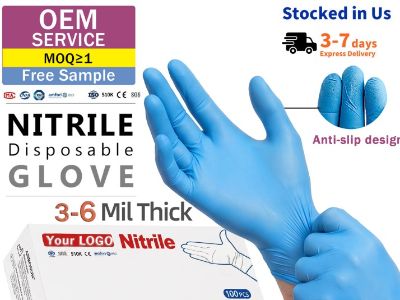
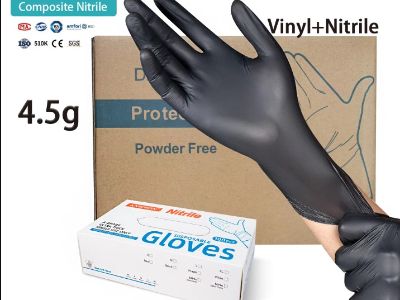
Material: Nitrile is preferred for its oil and aging resistance, while latex offers excellent elasticity. However, allergies are a concern with latex, making nitrile a safer choice for many users.
Thickness: This affects durability and dexterity. For instance, gloves with a thickness of 3-5 mils are common in non-invasive procedures, while thicker gloves may be required for surgical applications.
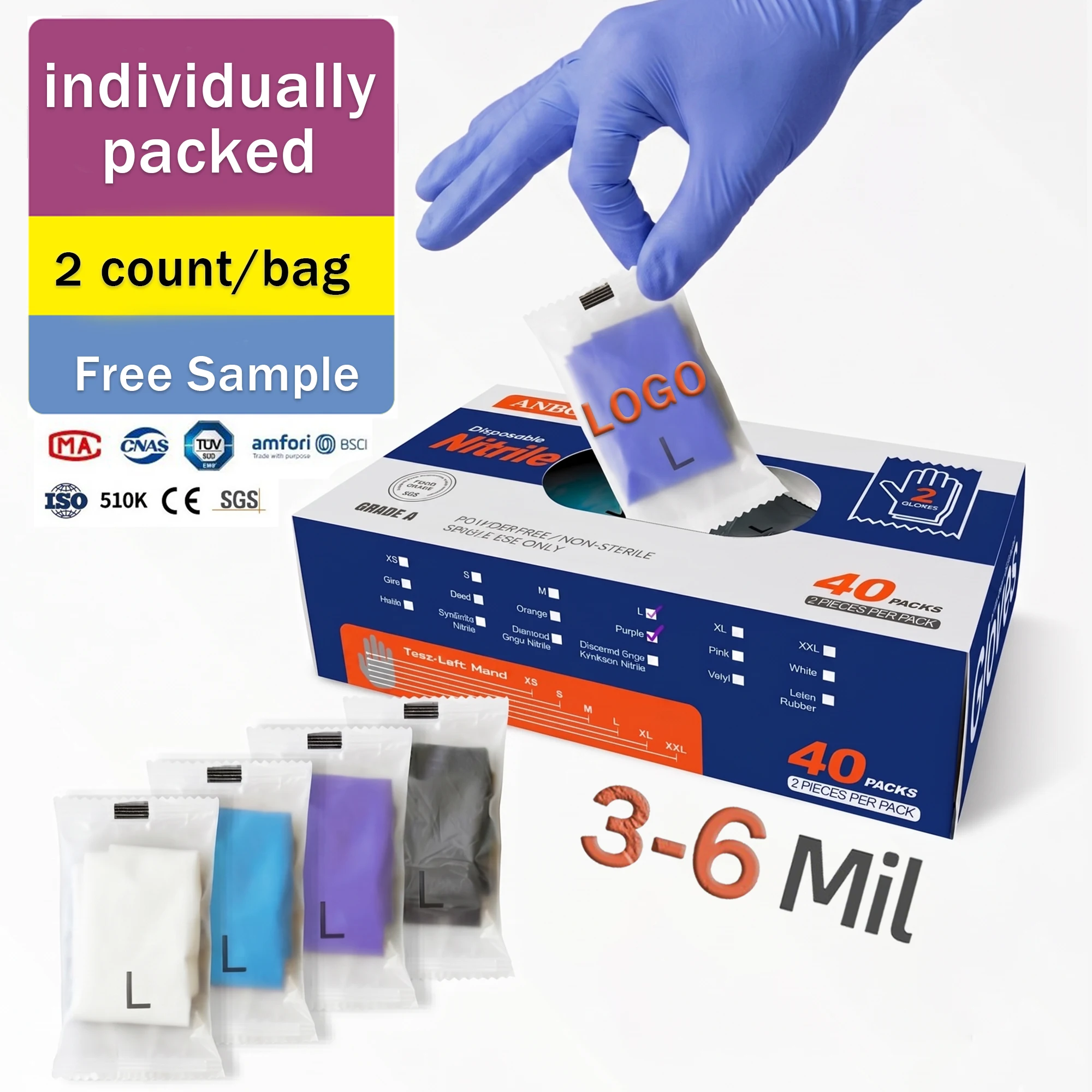
Length and Size: Gloves should fit well to prevent roll-down or tearing. Sizes typically range from small to extra-large, and it's important to offer various sizes to accommodate different hand sizes.
Grip and Texture: A textured surface can enhance grip, which is crucial in wet environments. Ensure the gloves are designed with the specific application in mind, whether it’s surgical, examination, or handling chemicals.
Certifications: Look for medical gloves that meet international standards, such as ISO 13485 for quality management systems. This ensures that the gloves are manufactured under strict quality controls.
Understanding these powdered medical gloves specifications will help buyers evaluate products effectively and make informed purchasing decisions that align with their operational requirements. By focusing on these aspects, buyers can ensure they procure the best powdered medical gloves for their specific applications.
2026/11/12
2026/11/11
2026/11/10
2026/11/09
2026/11/08
2026/11/07

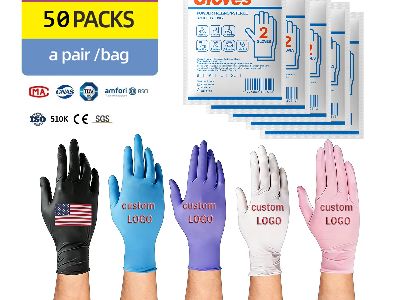
From your logo to your spec, we turn your brand vision into certified reality. Our automated clean-room factory delivers fully customized OEM/ODM nitrile gloves with complete compliance support — FDA 510K, CE, ISO 13485, SGS and more. Low MOQ, free samples, 100% QC on every batch, and responsive after-sales — partner with us for worry-free, certified supply.