EN

how disposable nitrile gloves of know if
2026/11/12
Understanding the difference between food service gloves and medical gloves is essential for businesses in the food and healthcare industries. While both types of gloves provide protection and hygiene, they serve different purposes and have distinct specifications that cater to their respective applications. This article will address the key differences, guide buyers through the selection process, highlight common challenges, and consider cost factors, ultimately aiding purchasing managers, distributors, and engineers in making informed decisions.
The primary distinction between food service gloves and medical gloves lies in their intended use and regulatory standards. Food service gloves are designed for handling food products and are subject to food safety regulations. They prioritize comfort and dexterity, often made from materials like polyethylene or nitrile, which are resistant to oils and food substances.
In contrast, medical gloves are intended for use in healthcare settings and must comply with stringent medical regulations, including those set by the FDA. These medical gloves are typically made from latex, vinyl, or nitrile and are designed to provide a high level of barrier protection against pathogens and contaminants. They undergo rigorous testing for puncture resistance, tensile strength, and biocompatibility, making them suitable for procedures that require high hygiene standards.
When choosing between the two, consider the specific application requirements such as the need for dexterity in food handling versus the need for barrier protection in medical situations. Additionally, personal allergies should also be taken into account, as latex gloves can cause reactions in some individuals, while nitrile gloves are a suitable alternative.
When purchasing food service or medical gloves, buyers should evaluate several factors to ensure they meet their operational needs:
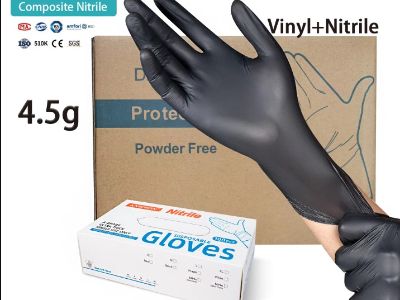
Material: Consider the material's suitability for the intended task. Nitrile gloves offer excellent puncture resistance and are suitable for both food handling and medical applications, while latex gloves provide superior elasticity but may cause allergies.
Size and Fit: Proper fit is crucial for comfort and functionality. Gloves should fit snugly without being too tight, as this can lead to hand fatigue during extended use. Offering multiple sizes can enhance usability for employees.
Regulatory Compliance: Ensure that the gloves meet relevant regulatory standards. Food service gloves should comply with FDA requirements for food safety, while nitrile medical gloves must meet FDA and ASTM standards for medical devices.
Performance Specifications: Assess the glove's specifications, including thickness, tensile strength, and chemical resistance. These factors will influence their performance under specific conditions.
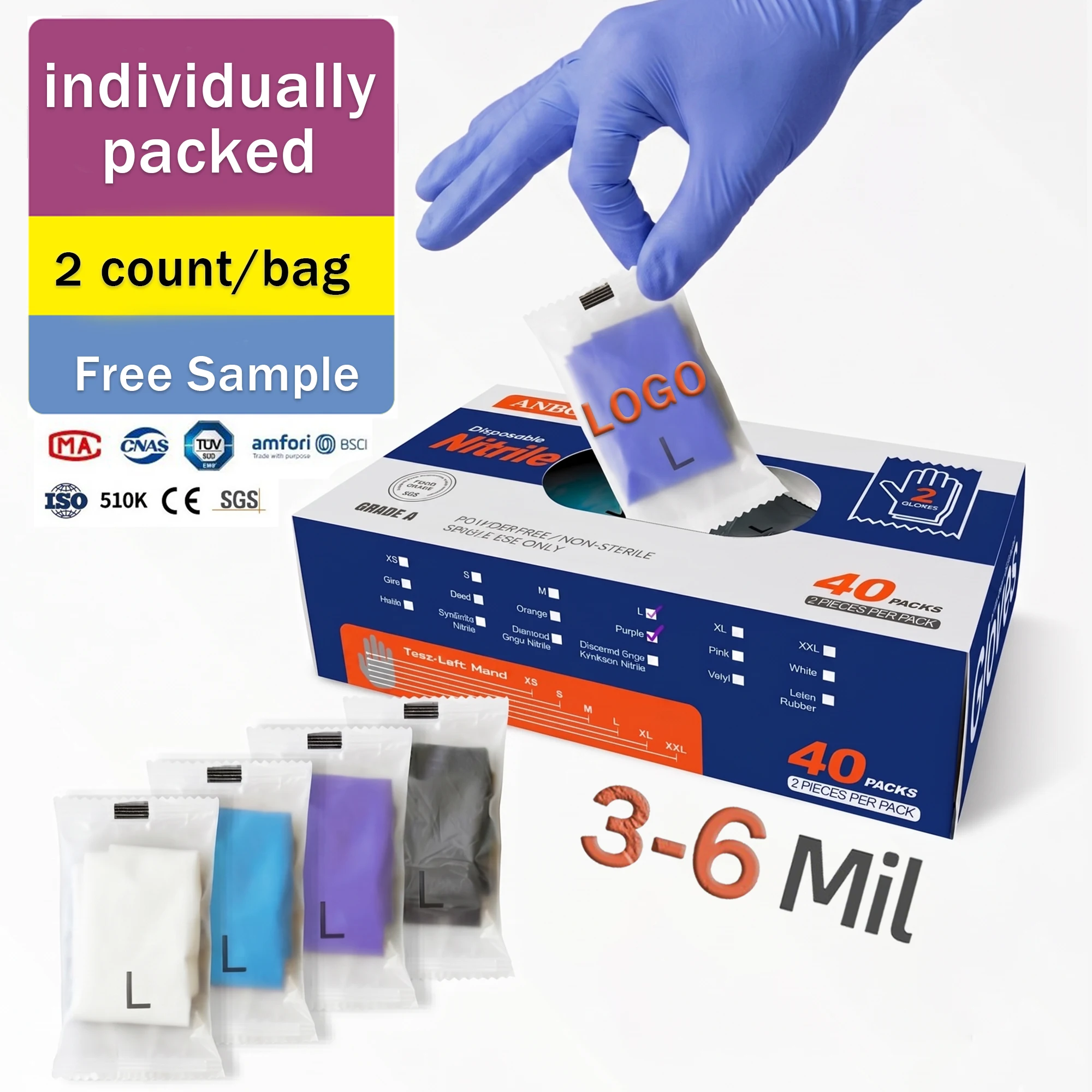
Packaging and Storage: Consider how the gloves are packaged, bulk packaging may reduce costs, but individual packaging can enhance hygiene and convenience.
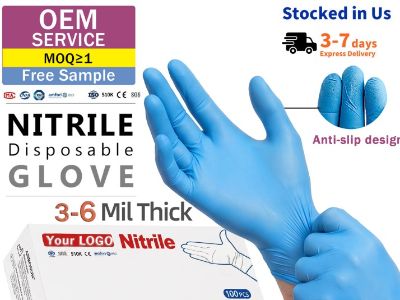
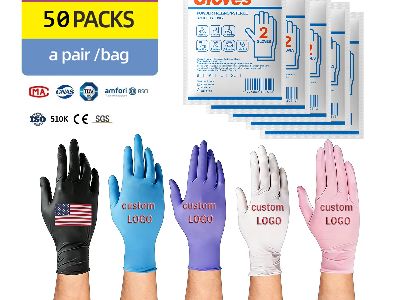
Customization Options: If your business requires branded gloves or specific color coding for different tasks, inquire about customization capabilities from the manufacturer.
By keeping these factors in mind, buyers can streamline their selection process and ensure they choose gloves that enhance safety and productivity.
Purchasing food service and medical gloves can be done through various channels. Many manufacturers, like Anboson Technology, offer direct sales to businesses, which can lead to better pricing and tailored service. When selecting a supplier, consider the following:
Reputation: Look for manufacturers with a strong track record in the industry. Check reviews and testimonials from other businesses to gauge reliability.
Product Range: A supplier that offers a variety of glove types, sizes, and materials can better meet diverse needs.
Quality Assurance: Evaluate the supplier’s quality control processes and certifications. ISO and CE certifications indicate adherence to international standards.
Lead Time: Ensure the supplier can meet your delivery schedule, especially if you require bulk orders.
Customer Support: A responsive customer service team can assist with product selection, address questions, and resolve issues efficiently.
Many businesses also find value in purchasing through specialized distributors who can provide a variety of brands and products, often with in-depth knowledge of the industry.
Despite their benefits, users often encounter issues when using food service and medical gloves. Common problems include:
Tearing or Puncturing: Gloves, especially thinner varieties, can tear or puncture, compromising safety. Buyers should consider the thickness and material strength to minimize this risk.
Allergic Reactions: Latex gloves can provoke allergic reactions in some users. Opting for nitrile or vinyl alternatives can help mitigate this issue in food service environments.
Reduced Dexterity: Some gloves may inhibit fine motor skills, impacting tasks that require precision. Selecting gloves with the right fit and material can alleviate this concern.
Chemical Compatibility: Not all gloves withstand all chemicals. Ensure the selected disposable medical gloves are compatible with the substances they will come in contact with during food preparation or medical procedures.
Comfort and Fit: Ill-fitting gloves can cause discomfort and reduce the likelihood of proper usage. Providing a range of sizes and regularly assessing fit can help address this problem.
By being aware of these common challenges, buyers can make selections that minimize risks and enhance operational efficiency.
The cost of food service and medical gloves can vary significantly based on several factors:
Material Type: Nitrile gloves tend to be more expensive than latex or vinyl due to their superior durability and chemical resistance. For high-use environments, the initial investment may be justified by their longer lifespan.
Quantity and Packaging: Bulk purchases typically lower the per-unit cost, but consider storage space and shelf life when ordering large quantities.
Customization: Custom-printed or colored gloves can incur additional costs, though they may enhance branding and operational efficiency.
Supplier Pricing: Pricing can fluctuate based on the supplier’s market position and the buying agreements in place. Establishing a long-term relationship with a supplier may yield better pricing over time.
Regulatory Compliance Costs: Ensure that any gloves purchased meet necessary compliance standards, as non-compliance can lead to fines or safety issues, ultimately increasing overall costs.
Considering these factors helps buyers navigate the pricing landscape effectively, ensuring they make informed decisions that align with their budget and operational requirements.
2026/11/12
2026/11/11
2026/11/10
2026/11/09
2026/11/08
2026/11/07

From your logo to your spec, we turn your brand vision into certified reality. Our automated clean-room factory delivers fully customized OEM/ODM nitrile gloves with complete compliance support — FDA 510K, CE, ISO 13485, SGS and more. Low MOQ, free samples, 100% QC on every batch, and responsive after-sales — partner with us for worry-free, certified supply.