EN

how disposable nitrile gloves of know if
2026/11/12
Choosing between latex and nitrile gloves is a critical decision for businesses in various industries. As B2B buyers, purchasing managers, and engineers evaluate their options, they often find themselves asking, "what is better black non latex gloves or nitrile gloves?" Understanding the differences in performance, durability, and cost will help inform your purchasing decisions. This article will provide insights into how to choose the right gloves for your business, where to source them, and practical considerations for evaluating both types.
When selecting between latex and nitrile gloves, consider several key factors: application requirements, allergen concerns, and performance characteristics.
Application Requirements: Different industries have varying needs. For instance, healthcare professionals may prefer latex gloves for their comfort and tactile sensitivity, while those in chemical or oil-handling industries often opt for nitrile gloves due to their superior resistance to punctures and chemicals. Assess the specific tasks your team will perform to determine which glove type is more suitable.
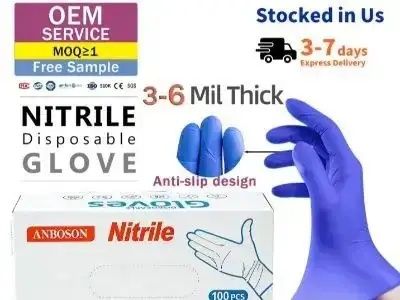
Allergen Concerns: Latex gloves can trigger allergic reactions in some individuals. If your workforce includes individuals with latex allergies, nitrile exam gloves latex free are a safer option. As a nitrile glove manufacturer, Anboson Technology has seen a growing demand for nitrile due to its hypoallergenic properties.
Performance Characteristics: Nitrile gloves generally offer better durability and resistance to wear and tear compared to latex. Their advanced chlorination technology enhances tensile strength and oil/aging resistance. If your application involves handling oils, solvents, or chemicals, nitrile gloves may be the better choice.
Sourcing gloves from reputable manufacturers is crucial for ensuring quality and reliability. Businesses should consider suppliers with a proven track record in the industry. Here are some tips for sourcing:
Verify Manufacturing Credentials: Look for manufacturers with ISO and CE certifications, as these indicate adherence to international quality standards. Anboson Technology, for instance, has extensive experience in producing high-quality nitrile gloves, supported by 20 years in the industry.
Request Samples: Before placing a bulk order, always request samples to evaluate quality, fit, and performance. This step is essential to confirm that the gloves meet your specific requirements.
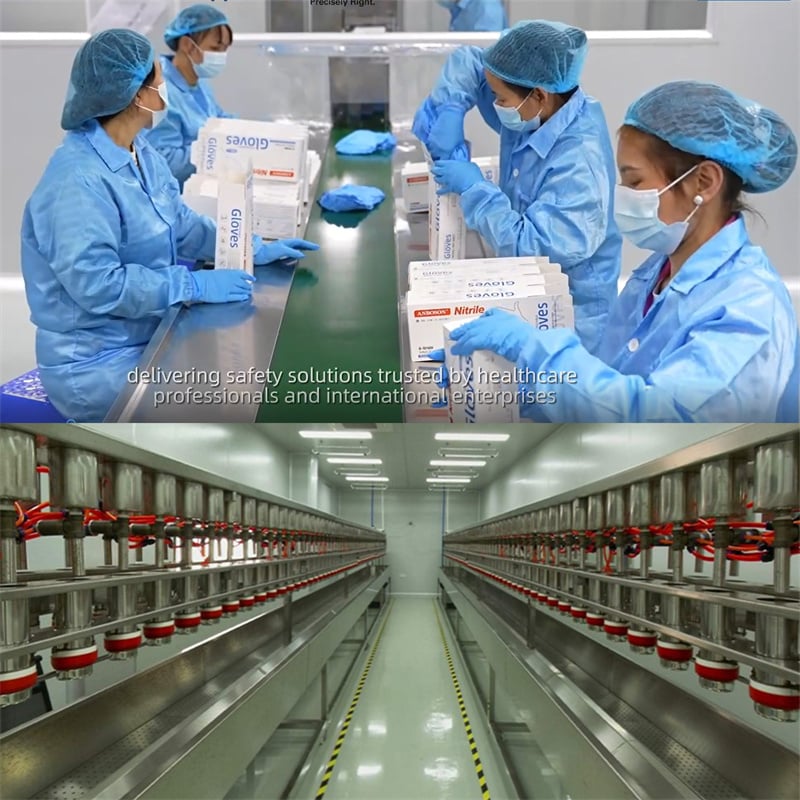
Consider Production Capacity: Ensure the supplier can meet your demand. Anboson Technology operates six production lines with an annual output of 4.8 billion gloves, demonstrating the ability to handle large orders efficiently.
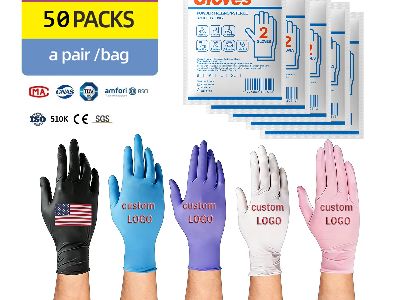
Explore Customization Options: If your business requires specific branding or features, inquire about customization capabilities. Many manufacturers, including Anboson, offer OEM and ODM services to meet unique specifications.
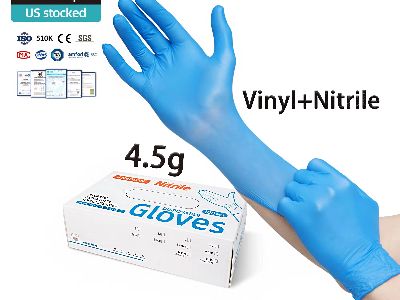
Cost is a significant factor when deciding between latex and nitrile latex gloves. Generally, nitrile gloves tend to be more expensive than latex due to their manufacturing process and material characteristics. However, the total cost of ownership should be considered rather than just the upfront price.
Bulk Pricing Considerations: When ordering in bulk, negotiate pricing with suppliers. Bulk orders can lead to substantial discounts, making nitrile gloves more competitively priced.
Evaluate Longevity and Use: Although nitrile gloves may have a higher initial cost, their durability often results in lower replacement rates. This can lead to cost savings in the long run, especially in high-use environments.
Assess Quality vs. Price: Cheaper gloves may save money upfront but can lead to increased costs due to breakage, allergic reactions, or inadequate protection. Invest in quality gloves to avoid these potential pitfalls.
Durability is a critical aspect to consider when choosing gloves, as it directly impacts safety and operational efficiency.
Material Composition: Nitrile gloves are synthesized from a synthetic rubber that provides excellent puncture resistance and elasticity. They are particularly well-suited for tasks requiring high dexterity while facing harsh environments. Latex gloves, while flexible and comfortable, are more susceptible to tears and punctures, especially in demanding applications.
Testing and Certifications: Look for manufacturers who provide performance data and testing certifications. Nitrile gloves from Anboson Technology undergo rigorous quality control processes to ensure they meet industry standards for durability and performance.
Real-World Usage: In practice, users often find that nitrile gloves hold up better in environments with sharp objects or chemicals. This makes them a preferred choice in laboratories, industrial settings, and medical environments.
Certain situations warrant the use of nitrile gloves over latex gloves. Understanding these scenarios can enhance workplace safety and compliance.
Chemical and Oil Handling: In industries such as automotive, manufacturing, and chemical processing, nitrile gloves provide superior resistance to chemicals, oils, and solvents. This makes them the go-to choice for tasks involving hazardous materials.
High-Risk Environments: In settings where puncture risks are elevated, such as medical or food preparation environments, nitrile gloves offer a higher level of protection. They minimize the chance of contamination or exposure to harmful substances.
Long-Term Use: For tasks requiring prolonged glove wear, such as surgeries or extensive laboratory work, nitrile gloves provide a comfortable fit and reduce the likelihood of allergic reactions. Their strength and durability make them ideal for extended use.
In summary, the choice between latex and nitrile gloves ultimately depends on your specific application needs, potential allergen concerns, and budget considerations. By understanding the advantages and disadvantages of each type, you can make an informed purchasing decision that enhances workplace safety and efficiency.
2026/11/12
2026/11/11
2026/11/10
2026/11/09
2026/11/08
2026/11/07

From your logo to your spec, we turn your brand vision into certified reality. Our automated clean-room factory delivers fully customized OEM/ODM nitrile gloves with complete compliance support — FDA 510K, CE, ISO 13485, SGS and more. Low MOQ, free samples, 100% QC on every batch, and responsive after-sales — partner with us for worry-free, certified supply.