EN

how disposable nitrile gloves of know if
2026/11/12
Medical gloves are essential in various healthcare and industrial applications, providing both protection and hygiene. Understanding how to put on and take off medical gloves properly is crucial to maintaining safety and preventing contamination. This article addresses common buyer concerns regarding glove selection, sourcing reliable suppliers, and proper usage techniques, while also highlighting important considerations for purchasing nitrile medical gloves, particularly from experienced manufacturers like Anboson Technology.
Selecting the right medical gloves involves considering several factors, including material, size, thickness, and intended use. Nitrile gloves, known for their durability and resistance to punctures and chemicals, are often preferred in medical and industrial settings. For instance, if you are dealing with hazardous materials, a thicker glove may be necessary to ensure adequate protection.
Additionally, glove size is critical for ensuring both comfort and dexterity. Gloves that are too tight can cause discomfort and reduce mobility, while those that are too loose may increase the risk of accidental contamination. Manufacturers typically provide sizing charts that can assist you in choosing the correct fit.
Finally, consider any specific certification requirements relevant to your industry. Nitrile gloves should ideally have ISO and CE certifications, which indicate they meet international safety and quality standards. This medical gloves is particularly important for medical environments where compliance with health regulations is mandatory.
Finding a reliable supplier for nitrile medical gloves can significantly impact your procurement process. Start by evaluating manufacturers with a solid track record in the industry. For instance, Anboson Technology has over 20 years of experience in manufacturing nitrile gloves, utilizing advanced chlorination technology to enhance glove performance.
When sourcing suppliers, check their production capabilities and certifications. A manufacturer with multiple production lines, like Anboson’s six lines and an annual output of 4.8 billion medical gloves is more likely to fulfill large orders consistently. Additionally, inquire about their quality control processes to ensure that the gloves you receive meet your specifications.
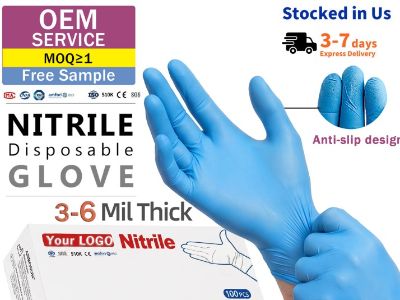
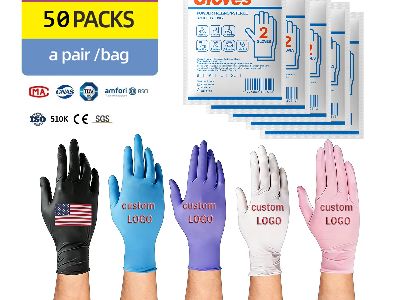
Establishing relationships with suppliers who offer OEM/ODM services can also be beneficial. This flexibility allows you to customize gloves according to your specific needs, whether that involves changing the medical gloves thickness, size, or even packaging.
When assessing medical gloves, important specifications to consider include:
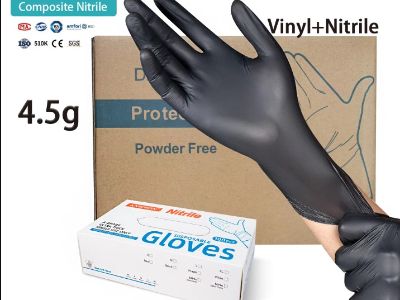
Material Composition: Nitrile gloves are an excellent choice due to their high tensile strength and resistance to oils and aging, making them suitable for various applications, from medical procedures to industrial tasks.
Thickness: The thickness of the glove affects its durability and sensitivity. Thicker gloves provide better protection but may reduce tactile sensitivity, so evaluate your application requirements carefully.
Certifications: Confirm that the disposable medical gloves meet required safety standards. ISO and CE certifications indicate compliance with stringent quality and safety measures, essential for medical use.
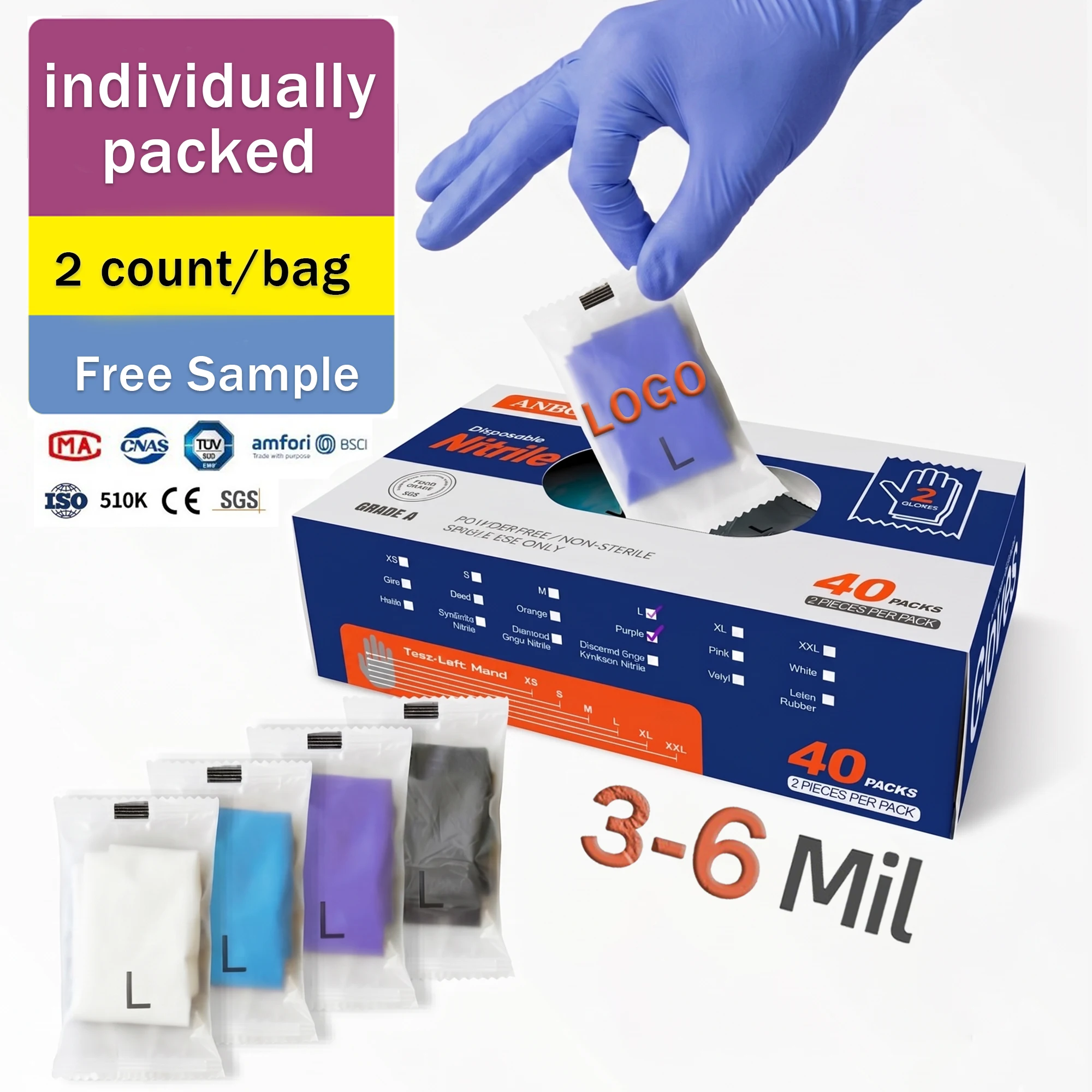
Packaging: Consider how the gloves are packaged. Individual packaging can enhance hygiene and convenience, especially in medical settings.
Shelf Life: Verify the shelf life of the gloves and ensure they are stored correctly to maintain their effectiveness.
Putting on medical gloves correctly is essential to ensure safety and prevent contamination. Follow these steps:
Preparation: Start with clean, dry hands. If necessary, wash your hands with soap and water or use an alcohol-based hand sanitizer and allow it to dry completely.
Select the Right Size: Choose gloves that fit snugly without being too tight. Check the size indicated on the box.
Donning the Gloves:
Hold the glove by the cuff and insert your dominant hand into the glove.
Pull the glove up to your wrist, ensuring there are no folds or air pockets.
Repeat the process with your other hand, ensuring both gloves fit securely.
Avoid Contamination: Do not touch the outside of the medical gloves supplier with your bare hands after donning them.
Adjust if Necessary: If the fit feels uncomfortable or restricts movement, remove the gloves and start over with a new pair.
Despite their effectiveness, medical gloves may present some challenges. Here are common issues and their solutions:
Tears or Punctures: This can occur due to improper sizing or wearing the gloves for extended periods. Always select the appropriate thickness for your application and replace gloves regularly.
Allergic Reactions: Some users may experience skin reactions to certain materials. If allergies are a concern, consider using nitrile gloves specifically designed for sensitive skin.
Poor Fit: Ill-fitting gloves can result in decreased dexterity and increased risk of contamination. Verify sizing with the manufacturer’s guidelines before ordering and consider testing samples for comfort and fit.
Degradation Over Time: Gloves have a shelf life, and using expired gloves can compromise safety. Always check expiration dates and store gloves in a cool, dry place to extend their usability.
By understanding these aspects, you can make informed decisions when purchasing nitrile medical gloves, ensuring that your operations remain safe and compliant. For those looking for reliable, high-quality nitrile gloves, Anboson Technology stands ready to meet your needs with their extensive manufacturing capabilities and commitment to quality.
2026/11/12
2026/11/11
2026/11/10
2026/11/09
2026/11/08
2026/11/07

From your logo to your spec, we turn your brand vision into certified reality. Our automated clean-room factory delivers fully customized OEM/ODM nitrile gloves with complete compliance support — FDA 510K, CE, ISO 13485, SGS and more. Low MOQ, free samples, 100% QC on every batch, and responsive after-sales — partner with us for worry-free, certified supply.