EN

how disposable nitrile gloves of know if
2026/11/12
Disposable nitrile gloves are essential in laboratory settings, providing a protective barrier against contamination, chemicals, and biological materials. When searching for information on "how nitrile gloves disposable in lab sterile" it’s crucial for B2B buyers to understand the specific requirements and concerns related to glove selection, quality, and usage. This article will guide you through choosing the right gloves, key specifications, purchasing options, common challenges, and the material advantages of nitrile gloves for lab applications
Selecting the appropriate disposable free nitrile gloves for lab work involves several critical factors. First, consider the intended application. Are you dealing with chemicals, biological samples, or potential allergens? Depending on the tasks, some gloves may offer better chemical resistance or puncture protection than others
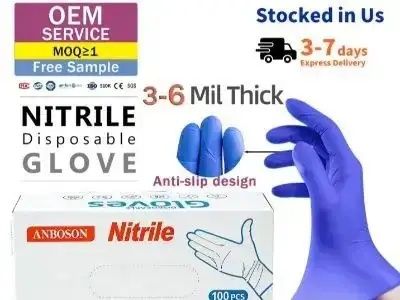
Next, evaluate the glove's thickness. Standard thickness typically ranges from 3 to 8 mils. Thicker gloves generally provide better protection but may reduce dexterity. For tasks requiring precision, such as handling delicate instruments or small samples, thinner gloves may be more suitable
Additionally, ensure that the gloves meet relevant industry standards and certifications, such as ISO or CE, which indicate compliance with safety and quality benchmarks. It’s also wise to request samples from manufacturers to assess comfort, fit, and tactile sensitivity before making a bulk order
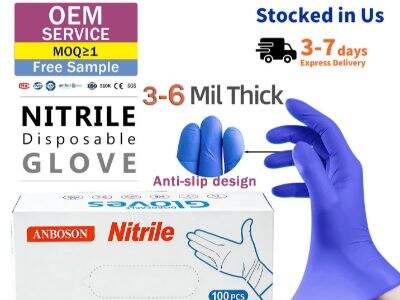
When assessing lab-grade disposable nitrile gloves, several specifications should be prioritized
Material Composition: Nitrile is preferred for its superior puncture resistance and chemical barrier properties compared to latex. It is also a suitable alternative for those with latex allergies
Thickness: The thickness can impact both safety and dexterity. A 4-5 mil thickness is often adequate for general lab work, while tasks involving hazardous materials may require gloves that are 6 mil or thicker
Length: Gloves should extend beyond the wrist to prevent exposure. Standard lengths are typically 9-12 inches, which is sufficient for most lab applications
Texture: A textured surface enhances grip, which is particularly important when handling wet or slippery objects
Color: While not a direct performance factor, color can be a consideration for visibility, especially in tasks involving hazardous materials
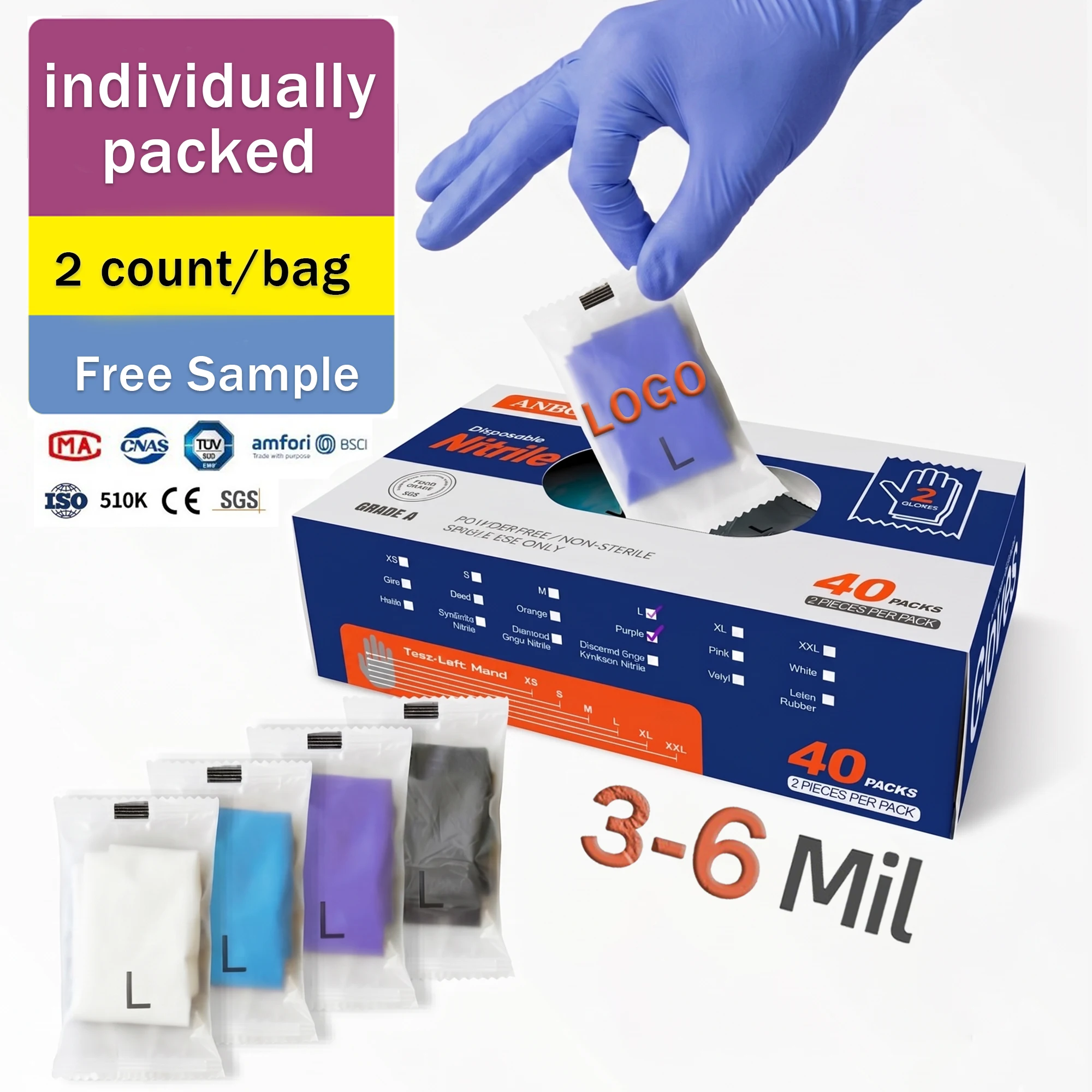
Packaging: Gloves should be packaged to maintain sterility. Bulk packaging may be more economical, but individual packaging can ensure sterility for specific tasks
Understanding these specifications allows buyers to make informed decisions that align with their laboratory needs
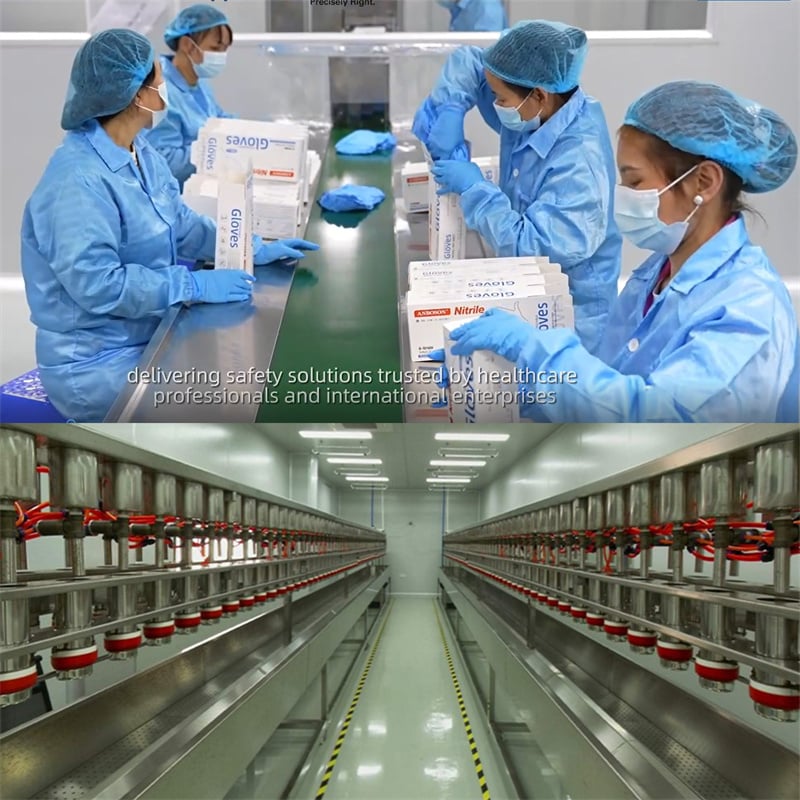
For B2B buyers looking to purchase disposable black nitrile gloves wholesale, several avenues exist. Directly sourcing from manufacturers like Anboson Technology can offer several advantages, including competitive pricing due to lower overhead costs and the possibility of customization
When contacting suppliers, provide detailed information about your requirements, including
Desired quantity
Specific application
Needed certifications
Preferred packaging options
In addition to manufacturers, consider established distributors with a reputation for quality. It’s essential to request and review samples prior to placing a large order, ensuring the product meets your expected standards
Furthermore, evaluate the supplier’s lead times and shipping capabilities, especially if your operations depend on timely deliveries
While disposable nitrile gloves are highly effective, they are not without challenges. Common problems include
Tearing or Puncturing: Gloves may tear during use, especially if they are too thin for the task at hand. To mitigate this, always select a glove thickness appropriate for your specific application
Allergic Reactions: Though nitrile is less likely to cause allergic reactions compared to latex, some users may still experience sensitivity. Ensure that your gloves are labeled as "latex-free" and consider hypoallergenic options if necessary
Inadequate Fit: Poorly fitting gloves can lead to reduced dexterity and comfort. Choose gloves that offer a range of sizes and consider having employees try samples to find the best fit
Chemical Resistance Limitations: Not all nitrile gloves offer the same level of chemical protection. Always consult the manufacturer's chemical resistance chart to select gloves that will effectively protect against the specific substances encountered in your lab
Contamination: Improper storage or handling can lead to contamination of gloves before use. Maintain proper storage conditions and follow best practices for donning gloves to minimize this risk
Nitrile gloves offer several material advantages that make them ideal for laboratory use
Chemical Resistance: Nitrile provides excellent resistance to a wide range of chemicals, including solvents and oils, making them suitable for various lab applications. This property is essential when working with hazardous materials, as it helps prevent skin exposure
Durability: Nitrile is more puncture-resistant than latex, which is crucial in environments where sharp objects are present. This durability also translates to longer usage times without compromising safety
Comfort and Fit: Modern nitrile gloves often come with features such as an ergonomic design, ensuring a snug fit that allows for maximum dexterity. This is particularly beneficial for tasks that require precision, such as handling small instruments or samples
Allergy-Free: Given the rise of latex allergies, nitrile gloves provide a safe alternative without the risk of allergic reactions. This is a critical consideration for employees who may have sensitivities
Temperature Resistance: Nitrile gloves can withstand a range of temperatures, making them versatile for various lab conditions. They maintain their integrity even in colder environments, where other materials may become brittle
By understanding these material advantages, B2B buyers can make informed decisions that enhance safety and efficiency in their laboratory operations
In summary, when seeking disposable safeguard nitrile gloves for laboratory use, it’s essential to consider application needs, specifications, sourcing options, potential issues, and the inherent material benefits. This comprehensive approach will help ensure that you choose the best gloves for your laboratory environment
2026/11/12
2026/11/11
2026/11/10
2026/11/09
2026/11/08
2026/11/07

From your logo to your spec, we turn your brand vision into certified reality. Our automated clean-room factory delivers fully customized OEM/ODM nitrile gloves with complete compliance support — FDA 510K, CE, ISO 13485, SGS and more. Low MOQ, free samples, 100% QC on every batch, and responsive after-sales — partner with us for worry-free, certified supply.