EN

how disposable nitrile gloves of know if
2026/11/12
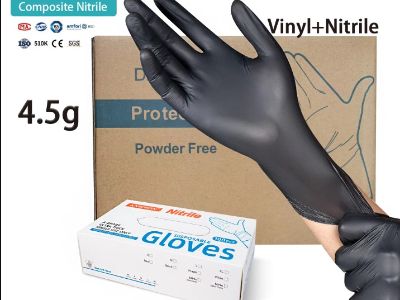
Black nitrile gloves are a popular choice for various applications, including food preparation and cooking. However, many potential buyers wonder, "Can you use black nitrile gloves for cooking?" This article aims to clarify this question while addressing key specifications, quality factors, and common issues associated with these gloves in culinary settings. By understanding the practical considerations involved, professionals can make informed decisions when selecting nitrile gloves for their food handling needs.
When choosing black free nitrile gloves for cooking, certain specifications are critical to ensure their suitability for food handling. Key specifications include:
Material Composition: Black nitrile gloves are made from synthetic rubber, which provides excellent flexibility and resistance to punctures and tears. This is essential in a kitchen environment where gloves may come into contact with sharp utensils or hot surfaces.
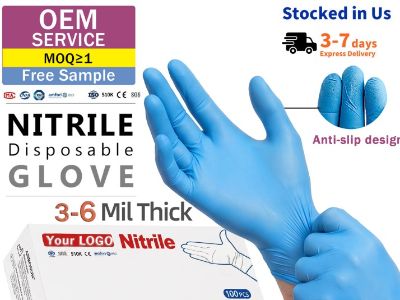
Thickness: The thickness of the glove affects its durability and tactile sensitivity. A standard thickness for culinary use ranges from 3 to 6 mils, which balances protection and dexterity. Thicker gloves may offer more protection but can reduce tactile feedback.
Chemical Resistance: Nitrile gloves are resistant to a range of chemicals, including oils and fats, making them suitable for cooking tasks that involve greasy foods. It’s essential to verify that the specific nitrile formulation used meets food safety standards.
Certifications: Look for gloves that are FDA-approved for food contact. Compliance with ISO and CE standards can also indicate a commitment to quality manufacturing processes.
Size and Fit: Proper sizing is crucial for comfort and performance. Gloves should fit snugly without being too tight, as this ensures dexterity while handling food.
These specifications are vital for ensuring that the gloves can withstand the rigors of a busy kitchen environment while maintaining safety and hygiene.
Selecting the right black nitrile gloves for food preparation involves considering several factors:
Intended Use: Identify the specific tasks the gloves will be used for, such as handling raw meat, cutting vegetables, or cleaning. Each task may have different requirements regarding glove thickness and chemical resistance.
Comfort and Fit: Since food handling often requires extended wear, comfort is essential. Consider gloves with a textured surface for better grip and those available in various sizes to fit different hand shapes.
Allergen Considerations: Nitrile gloves are latex-free, making them an excellent choice for environments where latex allergies are a concern. Ensure that any additional additives used in the gloves are also non-allergenic.
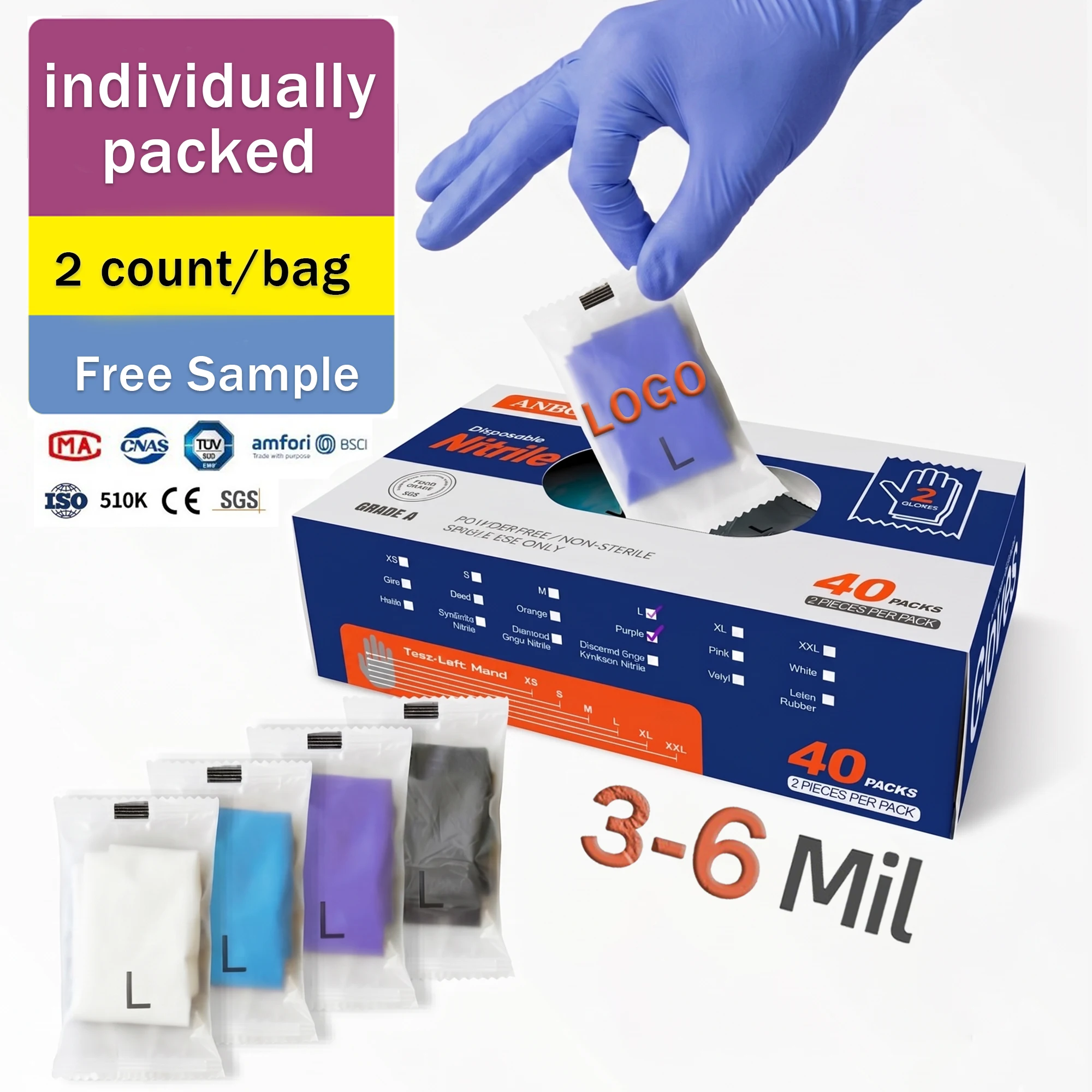
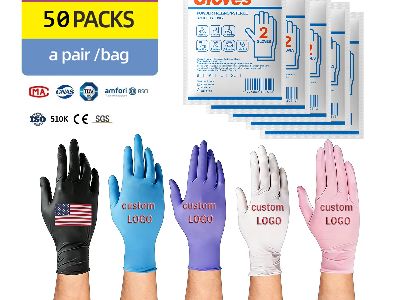
Customization Options: Some manufacturers, like Anboson Technology, offer customizable options such as colors, sizes, and packaging. This can be beneficial for businesses looking to enhance their brand visibility.
Cost-Effectiveness: Evaluate the cost per glove in relation to its durability and performance. While cheaper options may be tempting, investing in higher-quality gloves can reduce the risk of breakage and contamination.
By assessing these factors, buyers can select nitrile gloves that best meet their culinary needs.
Quality is paramount when choosing black nitrile gloves for food handling. Here are some quality factors to consider:
Manufacturing Standards: Ensure the gloves are produced in facilities that adhere to strict quality control processes. Certifications such as ISO 9001 can indicate a commitment to quality.
Performance Testing: Assess whether the gloves undergo rigorous testing to verify their strength, elasticity, and resistance to tearing and puncturing. This information should be available from the manufacturer.
Shelf Life: Nitrile gloves typically have a shelf life of 3 to 5 years when stored properly. Check the expiration date before use to ensure optimal performance.
Batch Testing: Reliable manufacturers often conduct batch testing to ensure consistency in quality. Ask for documentation that confirms testing results for a specific batch.
User Feedback: Research reviews and testimonials from other users in the food industry. Real-world experiences can provide valuable insights into the glove’s performance over time.
Considering these quality factors helps ensure that the gloves will perform effectively in a culinary setting, safeguarding both food safety and employee health.
While black nitrile gloves are widely used in food handling, they can present some challenges:
Tearing or Puncturing: Although black nitrile gloves food safe are durable, they are not impervious to tearing. Sharp objects can compromise the glove’s integrity, leading to potential contamination. Training employees on proper handling can mitigate this issue.
Allergic Reactions: Although nitrile is latex-free, some individuals may have sensitivities to other compounds used in the gloves. It’s important to monitor for allergic reactions and consider alternatives if issues arise.
Poor Grip: Some gloves may have a smooth surface, which can lead to slippage when handling wet or greasy items. Choosing gloves with a textured grip can enhance safety in the kitchen.
Chemical Compatibility: While nitrile gloves resist many oils and chemicals, they may not be suitable for all substances. Buyers should consult with suppliers regarding specific chemical exposures relevant to their operations.
Size and Fit Issues: Ill-fitting gloves can lead to discomfort and reduced dexterity. Ensuring the correct size is crucial for effective food handling.
By being aware of these common issues, buyers can take proactive steps to minimize risks and enhance operational efficiency.
Black nitrile gloves offer several advantages for food handling tasks that make them a preferred choice:
Durability: The robust material provides excellent protection against punctures and tears, essential in high-volume food service environments.
Chemical Resistance: Their resistance to oils, fats, and various chemicals ensures they can withstand the rigors of food preparation without degrading quickly.
Comfort and Dexterity: Nitrile gloves are designed to provide a snug fit that allows for maximum dexterity, which is crucial when performing intricate tasks like slicing or plating food.
Hygiene and Safety: The non-porous surface of nitrile gloves helps prevent cross-contamination, a critical factor in maintaining food safety standards.
Versatility: Black nitrile gloves are suitable for a variety of applications beyond cooking, such as cleaning and handling chemicals, making them a versatile addition to any kitchen.
By leveraging these advantages, food service providers can enhance their operational efficiency while ensuring a high standard of food safety.
In summary, black nitrile gloves can indeed be used for cooking, provided they meet the necessary specifications and quality standards. By following the guidelines outlined, buyers can make informed choices that enhance safety and efficiency in their food handling operations.
2026/11/12
2026/11/11
2026/11/10
2026/11/09
2026/11/08
2026/11/07

From your logo to your spec, we turn your brand vision into certified reality. Our automated clean-room factory delivers fully customized OEM/ODM nitrile gloves with complete compliance support — FDA 510K, CE, ISO 13485, SGS and more. Low MOQ, free samples, 100% QC on every batch, and responsive after-sales — partner with us for worry-free, certified supply.